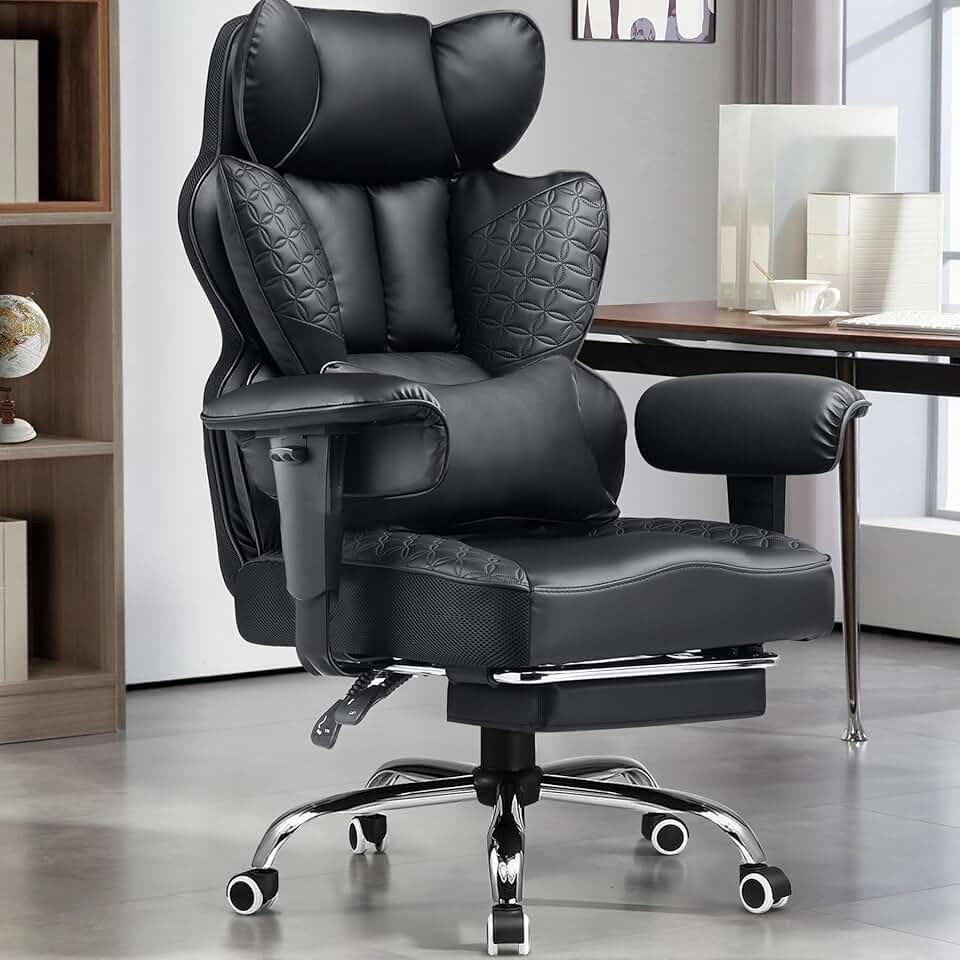
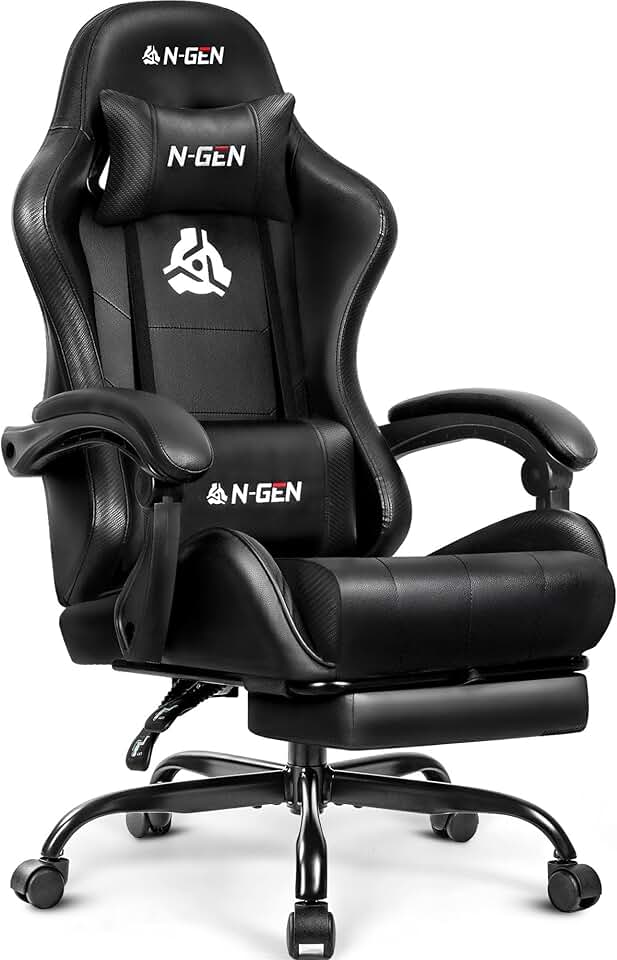
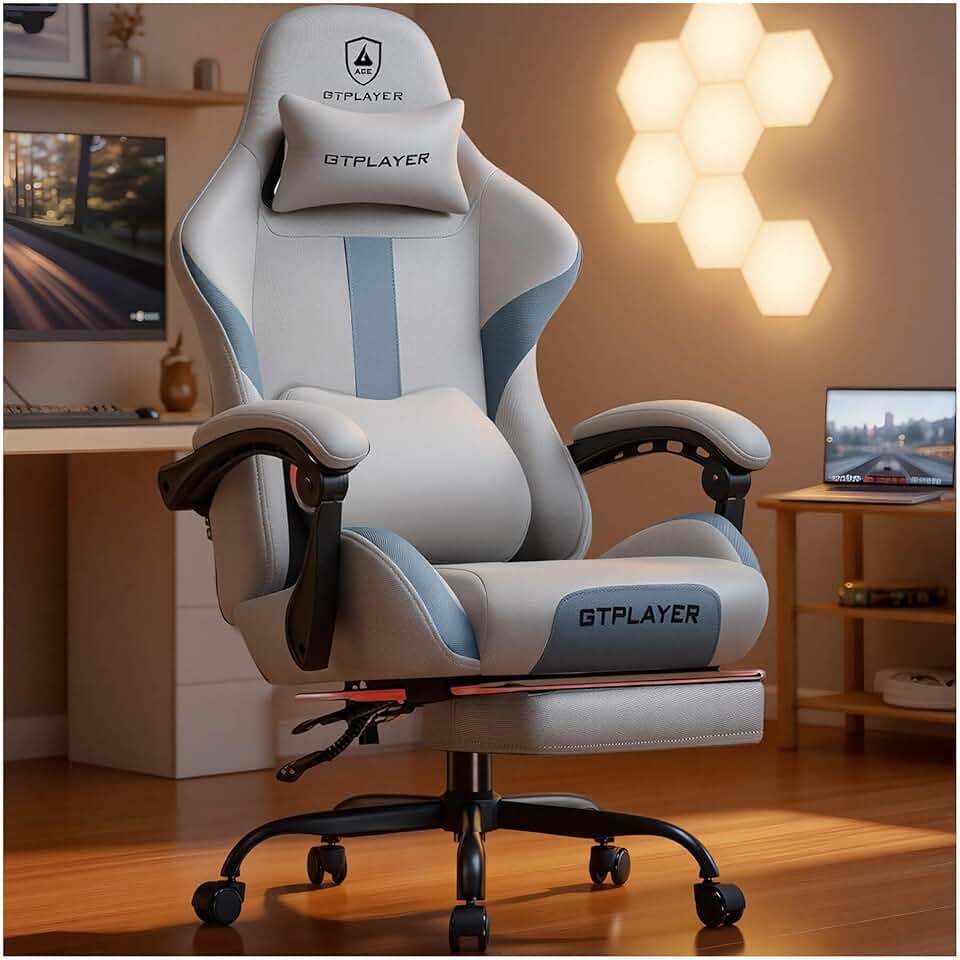
When shopping for gaming chairs for big hands, prioritize these key features:
Seat Depth and Width: Look for chairs with at least 20 inches of seat depth and 22+ inches of seat width. Shallow seats force your legs to dangle or cramp your thighs, while narrow seats pinch your hips and make armrests feel cramped.
Armrest Design: Wider, adjustable armrests (3D or 4D adjustment) let you position them outside your body rather than forcing your arms inward. Fixed armrests are a red flag—they'll feel too close together. Check that armrest padding is substantial, not thin vinyl that flattens after a few months.
Weight Capacity: Don't ignore this spec. Chairs rated for 250–400 lbs use reinforced frames and better-quality gas cylinders that won't sag. A 250 lb capacity doesn't mean you need to weigh that much; it's a proxy for build quality.
Lumbar Support: Pocket spring lumbar support (found in higher-end models) adjusts to your spine's curve better than foam-only designs. Adjustable lumbar support lets you dial in support for your specific back shape.
Headrest: For big-handed users, a tall headrest that supports your neck without forcing your chin down is crucial. Some chairs have memory foam headrests that mold to your head shape—worth the extra cost if you game 6+ hours daily.
Recline Angle: A 130–160° recline range gives you flexibility for gaming, work, and relaxation. Chairs that only recline 90–120° feel restrictive.
Material: PU leather is durable and easy to clean, but fabric breathes better during long sessions. Mesh backing (on some models) improves airflow, reducing heat buildup in your back and hands.
Red flags: chairs under $60, fixed armrests, weight capacity under 250 lbs, and no lumbar support adjustment. These are cost-cutting measures that hurt comfort for bigger users.