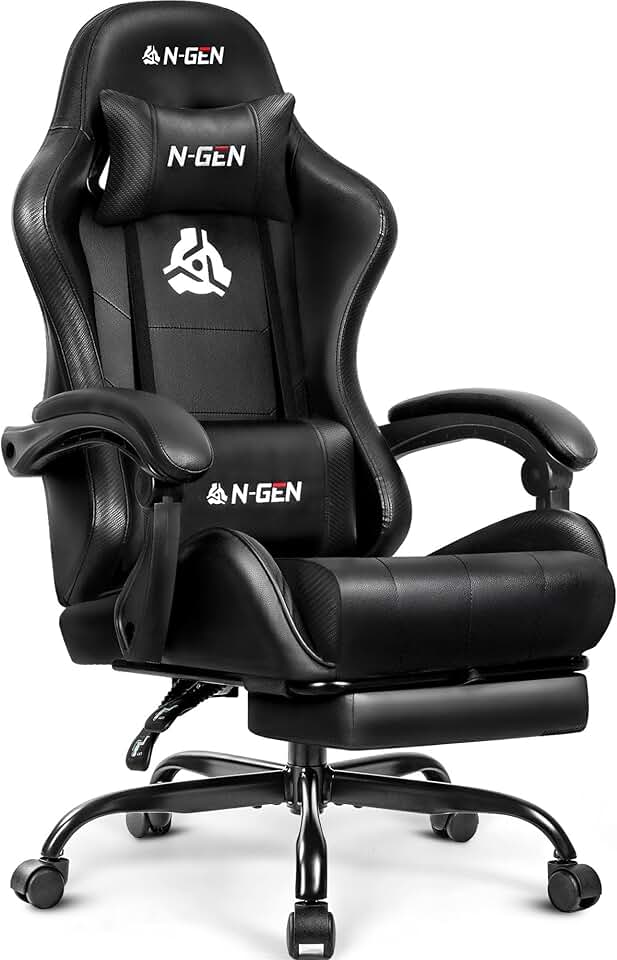
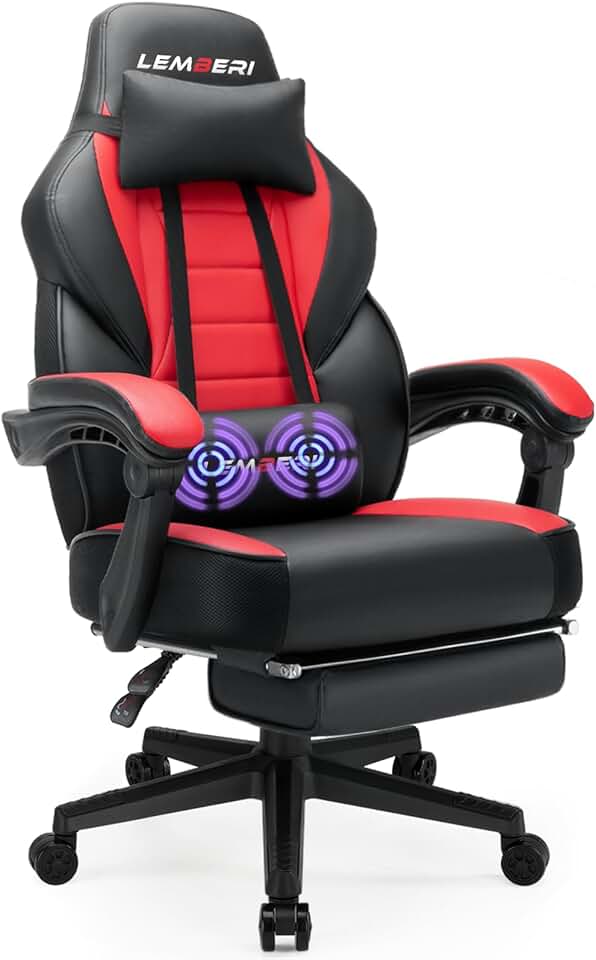
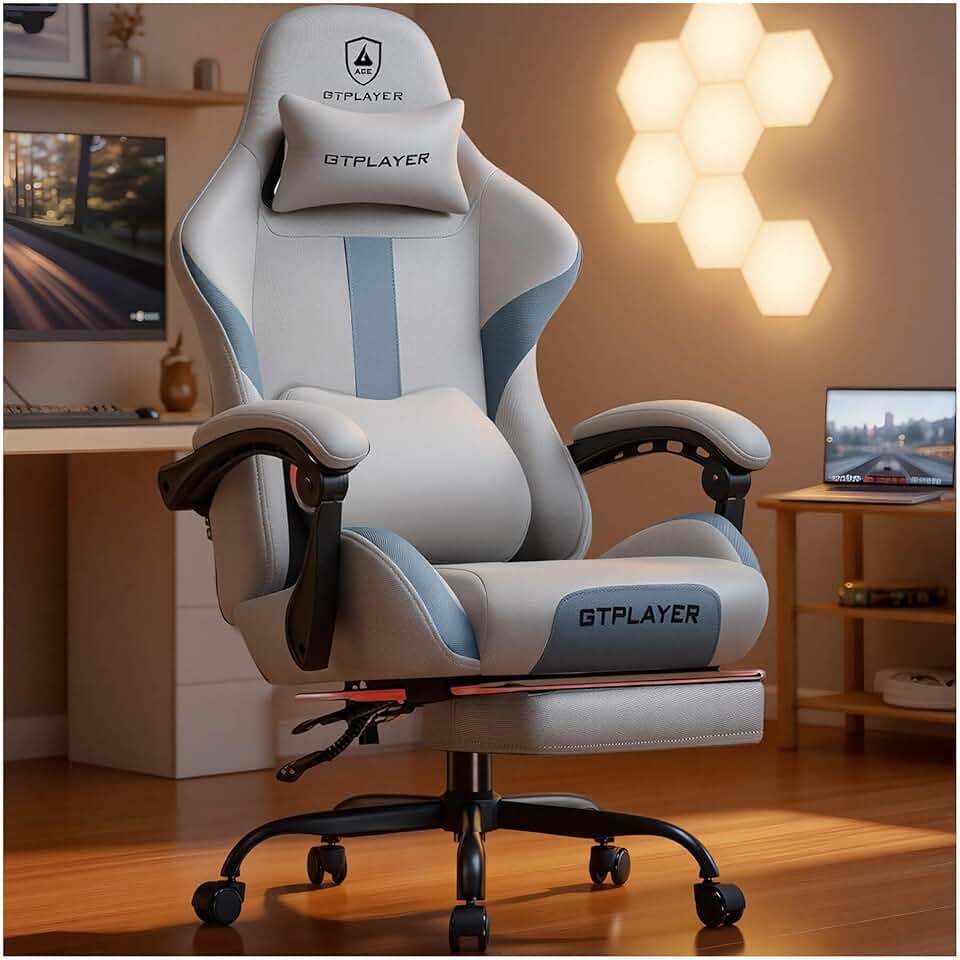
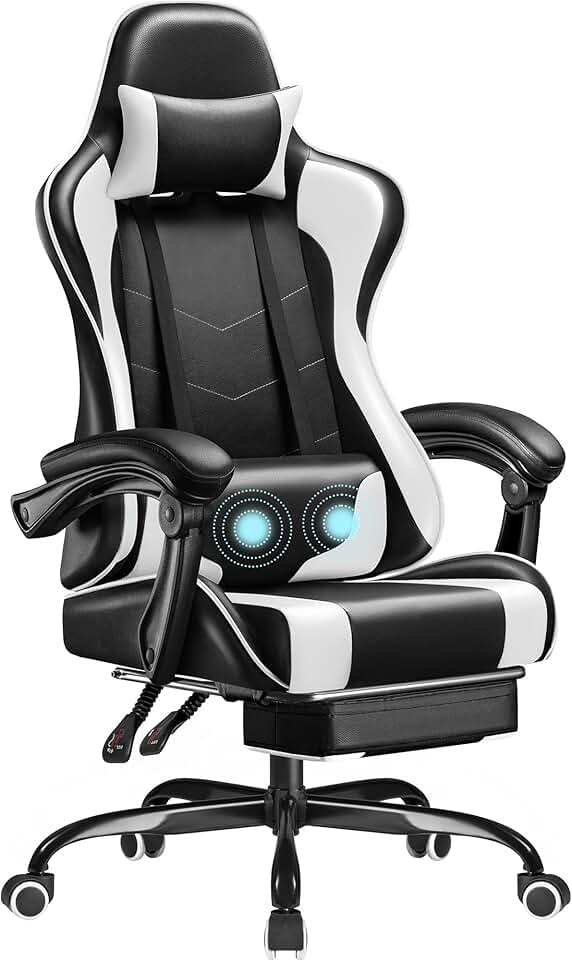
When shopping for a gaming chair suited to Elden Ring's demanding playstyle, focus on these core features:
Lumbar Support: This is non-negotiable. Elden Ring requires sustained sitting during boss fights and exploration. Look for adjustable lumbar support—not just a pillow, but actual structural support you can customize to your spine's curve. Memory foam and pocket spring cushions adapt to your body better than flat padding.
Footrest Functionality: A footrest isn't luxury—it's ergonomic necessity. It reduces pressure on your thighs and lower back during long sessions. Retractable footrests work best; they stay out of the way when you don't need them.
Height Adjustability: Your chair should position your eyes level with your monitor's top third. If it's too high or low, neck strain creeps in fast. Pneumatic height adjustment (gas cylinder) is standard and reliable.
Weight Capacity: Don't just match your current weight. Choose a chair rated 50+ pounds above your weight for durability and longevity. Big & Tall chairs (400lb capacity) offer sturdier construction even for average-sized users.
Material: Leather or faux leather is easier to clean and more durable than fabric, but fabric breathes better during hot gaming sessions. Mesh backs help with airflow. Consider your climate and how long you typically sit.
Recline Range: 90–180° recline lets you take breaks without leaving your desk. Some chairs recline fully flat—useful for stretching between boss attempts.
Armrests: Adjustable armrests prevent shoulder tension. Fixed armrests are a red flag for long sessions.
Skip chairs with vague "gaming" branding and no spec sheet. Real gaming chairs list lumbar support type, recline angle, weight capacity, and material. Avoid anything under $80 unless budget is your only constraint—cheap chairs wear out fast and hurt your back worse than no chair at all.