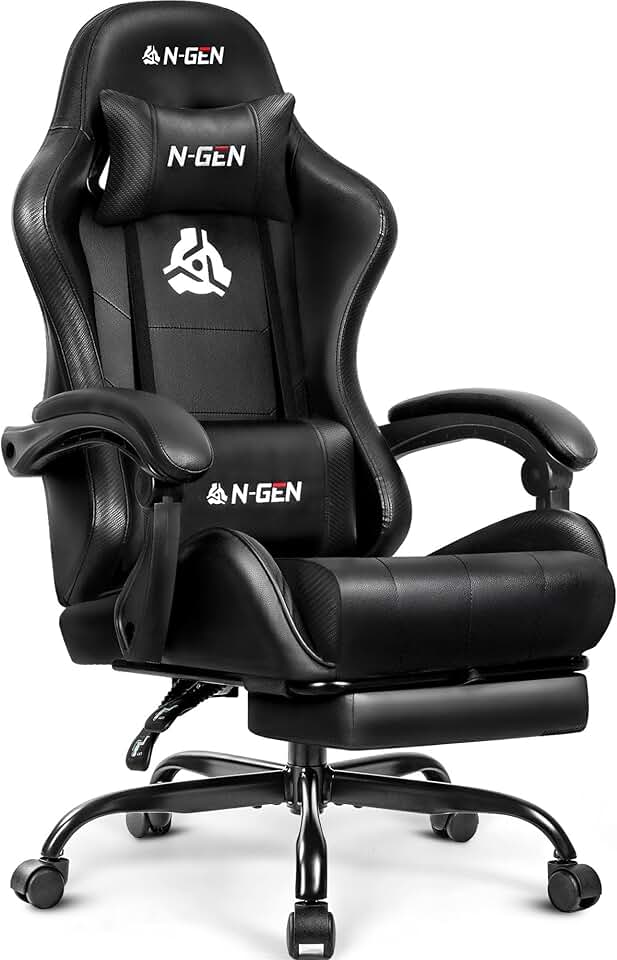
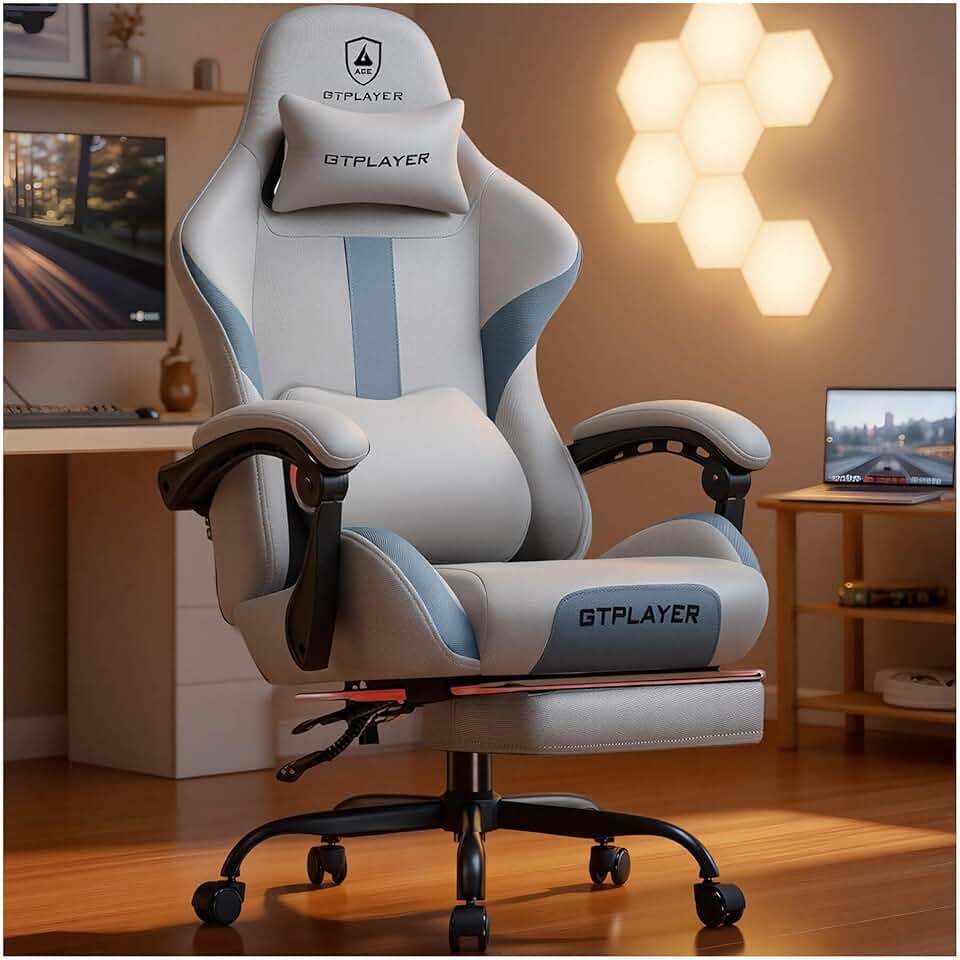
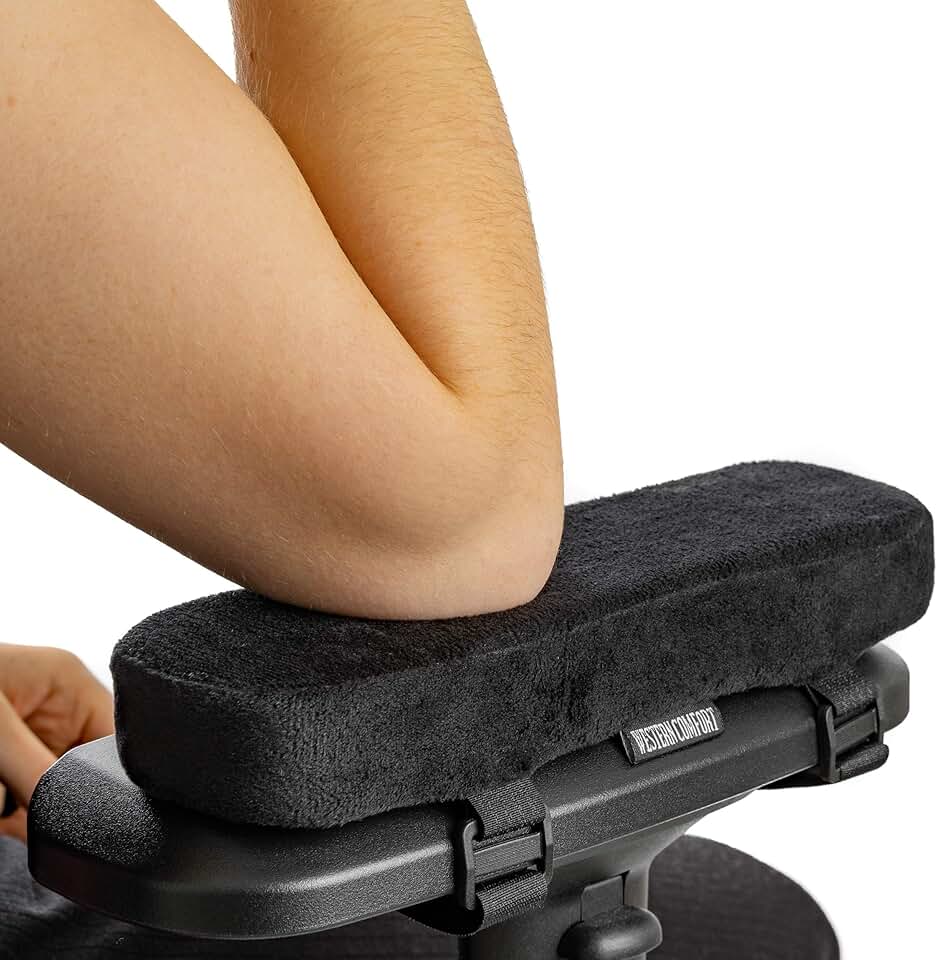
When shopping for a gaming chair designed for small hands, focus on these key factors:
Armrest Width and Adjustability: Look for chairs with narrower seat widths (typically 18–20 inches) and armrests that can be adjusted both vertically and horizontally. Flip-up or removable armrests are a bonus, giving you more flexibility if the default spacing doesn't work. Avoid fixed, wide-set armrests that force your arms into an unnatural position.
Height Adjustment Range: Check the minimum seat height when the chair is at its lowest setting. Ideally, you want a chair that bottoms out around 16–18 inches, so your feet can rest flat on the floor without dangling. A pneumatic cylinder with smooth increments matters more than maximum height.
Control Accessibility: Levers and adjustment mechanisms should be positioned within easy reach. Some chairs hide controls underneath the seat or on the side—test the placement before buying. Tilt tension dials and recline levers should be intuitive and require minimal hand strength.
Lumbar and Neck Support: Smaller users benefit from adjustable lumbar pillows and headrests that scale to your frame. A one-size-fits-all headrest often sits too high or too far back for compact builds. Removable or adjustable support is ideal.
Material and Durability: PU leather is easier to clean than mesh, but mesh breathes better during long sessions. Consider your climate and how often you'll use the chair. Check weight capacity—lighter chairs are often more proportional for smaller users.
Swivel and Mobility: Ensure the chair has smooth 360-degree swivel action and wheels that glide across your flooring. Caster wheels should be responsive but not overly sensitive, especially if you have limited reach to adjust your position.