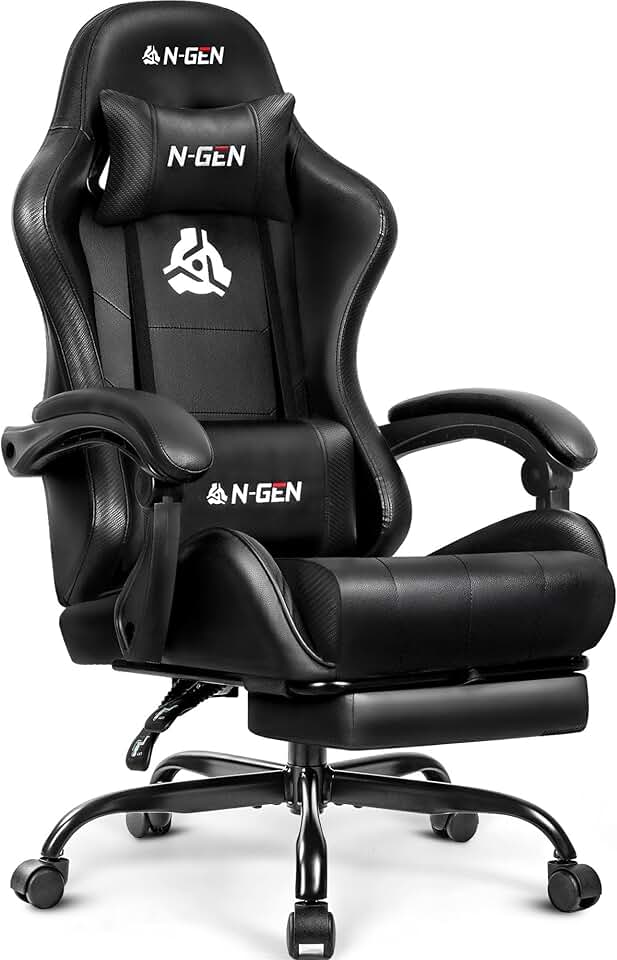
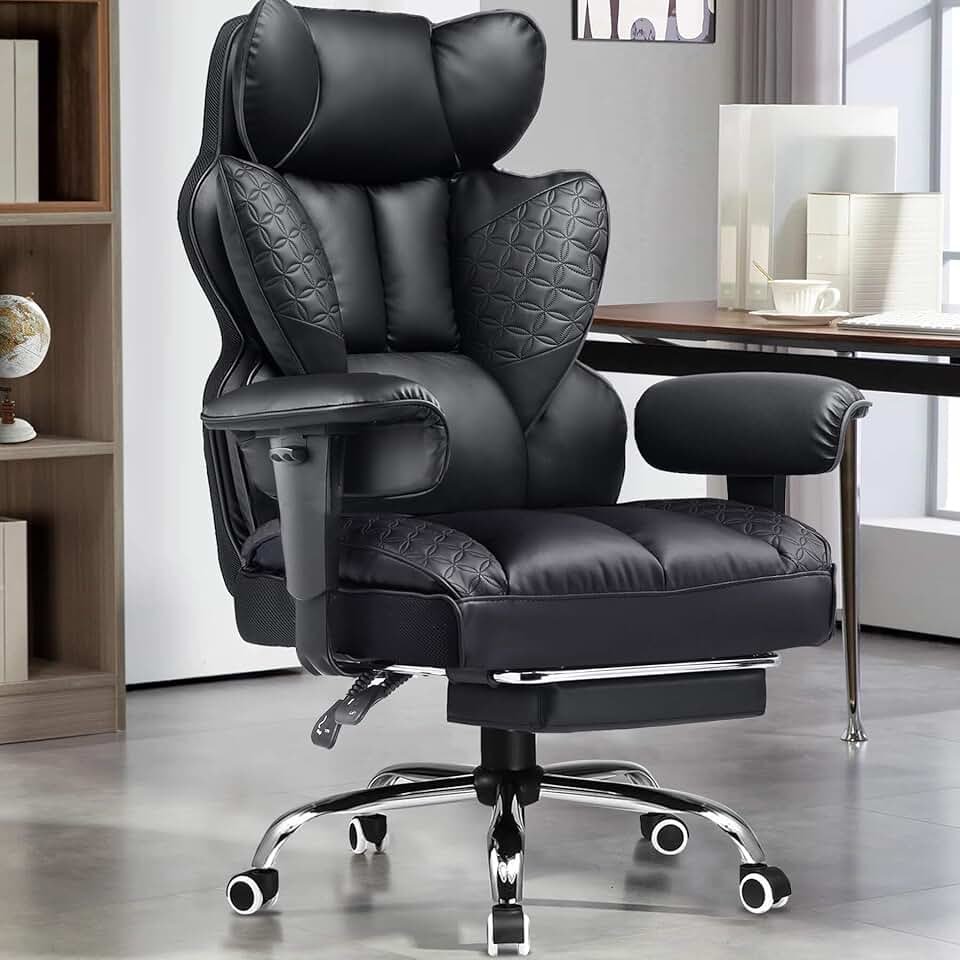
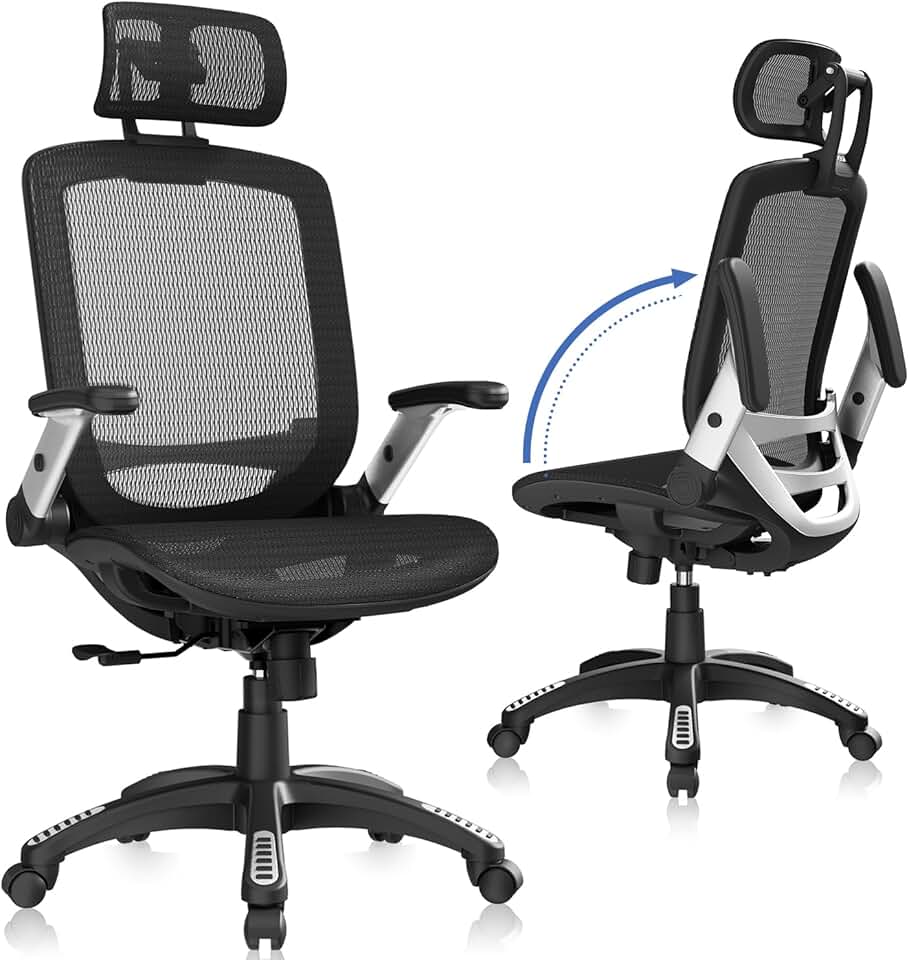
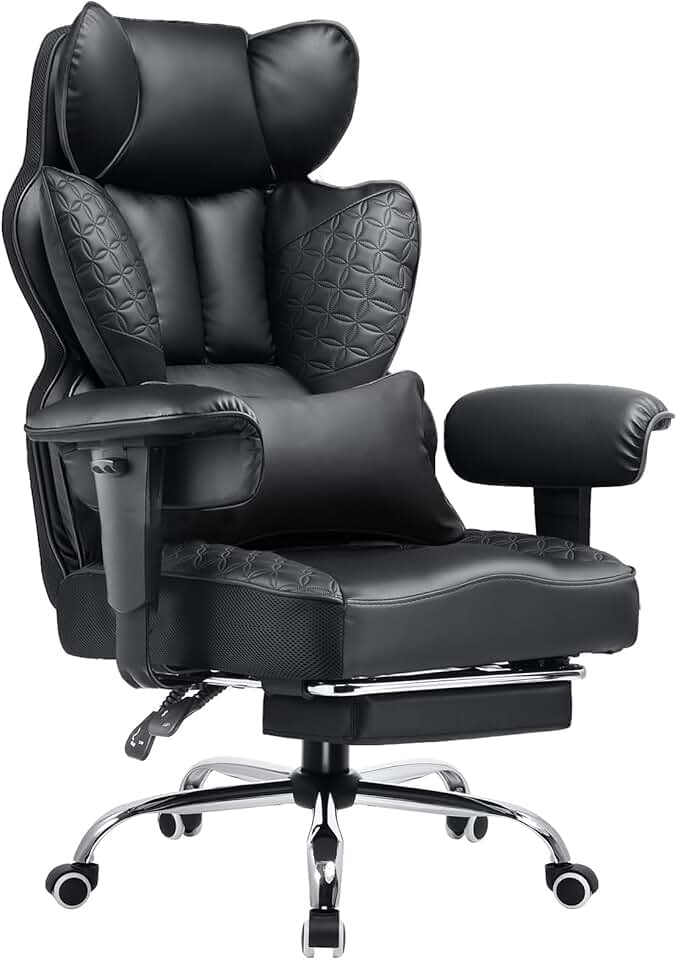
When shopping for gaming chairs under $300, focus on three core areas: support, adjustability, and materials.
Lumbar Support Matters Most
Your lower back takes the hit during long sessions. Look for chairs with dedicated lumbar support—either built-in curves, adjustable pillows, or pocket spring systems. Cheap chairs skip this entirely, which means pain after two hours. Real lumbar support should feel like it's cradling your spine, not just a decorative bulge in the fabric.
Recline Range and Tilt Lock
A good gaming chair reclines between 90–150 degrees. Anything less restricts your position options. Tilt lock lets you lock the backrest at your preferred angle without sliding backward. If a chair doesn't mention tilt lock, it probably doesn't have it—that's a red flag.
Material and Durability
Mesh breathes better than PU leather but shows wear faster. PU leather is easier to clean and lasts longer, though it gets hot. Check weight capacity: if you're over 200 lbs, target chairs rated for 300+ lbs. Cheap foam compresses after a few months; quality chairs use high-density foam that holds its shape.
Adjustability Red Flags
If armrests don't adjust, skip it. If seat height only adjusts 2–3 inches, that's too little. Good chairs offer 4D armrests (height, width, depth, angle), seat height adjustment of 4+ inches, and headrest positioning.
Size and Space
Gaming chairs under $300 often have wider bases and higher backs than office chairs. Measure your doorway and floor space before buying. Big and tall models (400 lb capacity) are heavier and bulkier—they're not just for large people, they're for anyone who wants a sturdier frame.
Price Sweet Spots
Under $50: Budget basics with minimal support—fine for casual gaming, rough for all-day work.
$50–$120: Best value zone. Real lumbar support, decent materials, solid adjustability.
$120–$300: Premium features like massage lumbar, better leather, higher weight capacity, longer warranties.