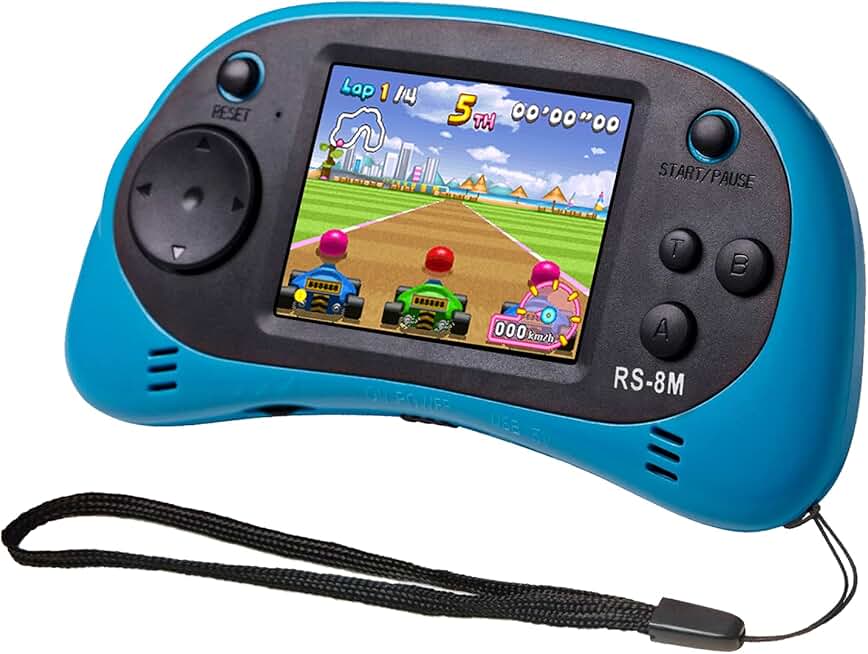
When shopping for gaming controllers for kids, size matters more than you'd think. A full-sized controller in a six-year-old's hands is like giving them a steering wheel—they can't reach the buttons comfortably, and they'll get fatigued fast. Look for controllers labeled "youth," "junior," or ones with ergonomic designs that don't assume adult hand dimensions.
Durability is non-negotiable. Kids will drop controllers, step on them, and test their limits. Prioritize controllers with reinforced grips, rubberized sides, and joysticks that use Hall Effect sensors instead of traditional potentiometers—Hall Effect joysticks last longer because they don't wear out from repeated stick movements. Avoid controllers with flimsy shoulder buttons or loose triggers.
Compatibility matters depending on what your kid plays. If they're on Nintendo Switch, you need officially licensed controllers or third-party options specifically designed for Switch. PC gamers need controllers with solid driver support. Handheld retro systems often come with their own controllers, so check what's included before buying separately.
Battery life and charging are practical concerns. Wireless controllers are convenient but require charging or battery replacements. If your kid forgets to charge their controller mid-game, you'll hear about it. Wired controllers eliminate this problem but restrict movement slightly. For younger kids, consider controllers with rechargeable batteries and quick charge times.
Price-to-durability ratio is the real test. A $15 controller that breaks in three months is worse than a $25 one that lasts two years. Read reviews specifically mentioning how long the controller lasted, not just how it plays. Finally, check the warranty—controllers with longer warranties usually indicate the manufacturer's confidence in durability.