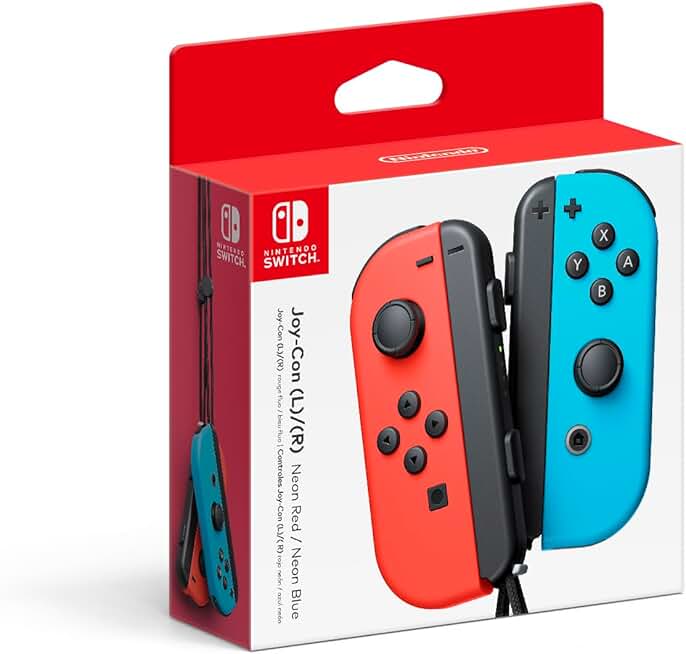
When shopping for gaming controllers for Nintendo Switch, start with your primary play mode. Handheld mode demands lightweight, compact designs. Docked play lets you prioritize comfort and button layout over portability. Tabletop mode sits somewhere in between.
Check polling rate and response time—60 Hz is standard, but some third-party controllers match or exceed it. Joystick drift is the biggest reliability concern; Hall Effect joysticks (magnetic, not mechanical) last longer. Button travel and tactile feedback matter more than you'd think, especially for fighting games and platformers.
Battery life varies wildly. Official Joy-Cons last 20 hours; budget wireless controllers often deliver 15-18 hours. Wireless connectivity uses Bluetooth, so range and latency are consistent across most models.
Consider your game library. Action games benefit from responsive triggers and precise analog sticks. Turn-based RPGs are less demanding. Competitive titles like Smash Bros. reward controllers with zero input lag and reliable D-pad response.
Price doesn't always equal quality. Official Nintendo controllers cost more but carry warranty backing. Licensed third-party options (look for the Nintendo seal) offer better value without sacrificing durability. Unlicensed budget controllers are risky—they often have loose sticks within months.
Finally, test ergonomics if possible. Hand size matters. Small hands might struggle with oversized Pro Controllers, while large hands find compact Joy-Cons cramped. Weight distribution affects fatigue during long sessions. RGB lighting looks cool but adds nothing to gameplay—don't pay extra for it unless you genuinely want it.
The best gaming controller for Nintendo Switch balances comfort, reliability, and your actual budget.