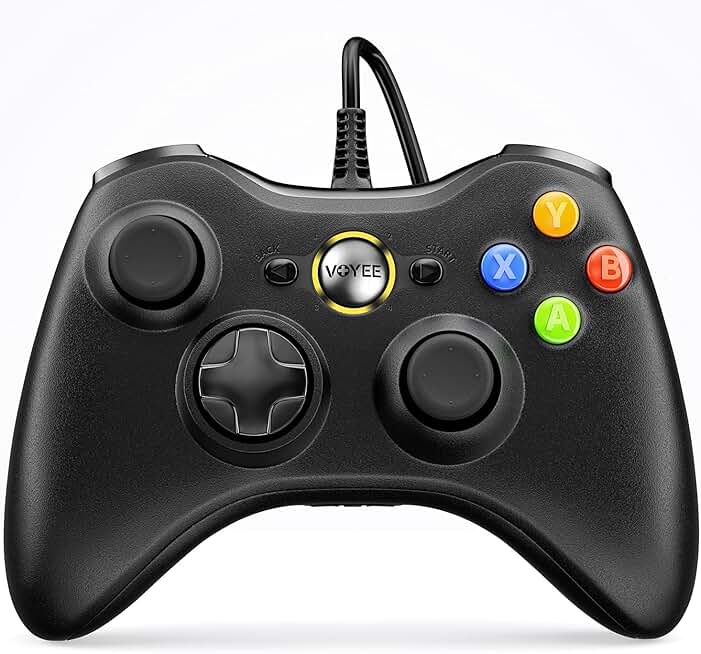
When shopping for the best wired gaming controllers, focus on these key factors:
Polling Rate & Latency: Higher polling rates (measured in Hz) mean faster input registration. 1000Hz polling is the current standard for competitive gaming; 125Hz is acceptable for casual play. Wired controllers eliminate wireless latency entirely, which is why they're still preferred in esports.
Joystick Type: Hall Effect joysticks use magnetic sensors and don't wear out like traditional potentiometers. If you play long hours or competitive titles, Hall Effect is worth the extra cost. Standard analog sticks are fine for casual gaming but drift over time.
Platform Compatibility: Xbox controllers work on PC natively through Windows drivers. PlayStation controllers need third-party software. Nintendo Switch controllers are proprietary. Check that your wired controller supports your primary platform before buying.
Build Quality & Ergonomics: Test grip comfort if possible—hand size matters. Heavier controllers (around 200g) feel premium but tire some players. Lighter builds (150-170g) suit marathon sessions. Cable length varies; longer is usually better for couch gaming.
Trigger & Button Feel: Some controllers have adjustable trigger sensitivity or programmable buttons. This is a nice-to-have for fighting games and MMOs but unnecessary for most players.
Red Flags: Avoid controllers with cheap plastic construction, unresponsive d-pads, or loose analog sticks out of the box. Read recent reviews—manufacturing quality varies by batch. Avoid off-brand wired controllers with no warranty; stick to established brands like Logitech, PowerA, GameSir, and 8BitDo.
Budget $15–20 for solid entry-level wired controllers. Spend $30–45 if you want Hall Effect joysticks and premium build quality. Anything over $50 is diminishing returns unless you need specific features like RGB lighting or programmable buttons.