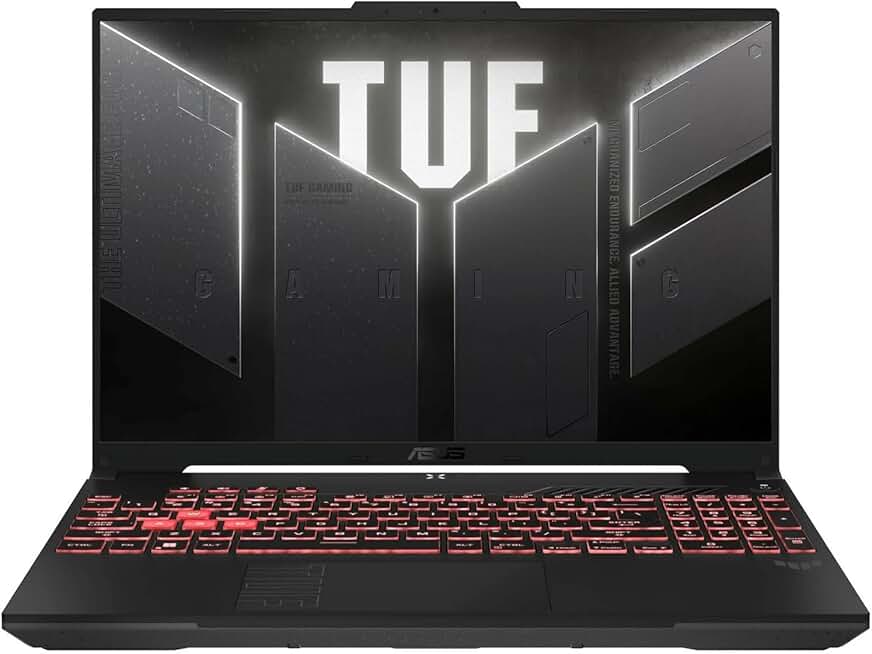
When shopping for an ASUS gaming laptop, focus on three core specs: display refresh rate, GPU generation, and processor tier.
Display refresh rate determines how smooth your gameplay feels. A 144Hz panel is the baseline for competitive gaming; 165Hz adds a small improvement; 240Hz is overkill for most players unless you're grinding esports titles. ASUS's ROG Nebula displays are premium options with better color accuracy and HDR support, while standard FHD panels are fine if you prioritize raw performance over visuals.
GPU matters more than CPU for gaming. An RTX 4050 handles 1080p gaming at high settings; RTX 5070 Ti and RTX 5080 crush 1440p and 4K workloads. The RTX 5090 is for content creators and streamers who need absolute overkill. Don't get seduced by a fancy processor if the GPU is weak—your gaming experience will suffer.
Processor choice depends on your workload. Intel's Core Ultra 9 275HX and i7 14650HX are excellent for gaming and multitasking. AMD's Ryzen 7 7445HS is slightly less powerful but still solid and often cheaper. For pure gaming, the difference is negligible; for streaming or video editing, Intel edges ahead.
Thermal design and build quality separate ASUS's lines. TUF Gaming laptops use military-grade durability standards and run cooler under load. ROG Strix models prioritize performance and aesthetics but can throttle in sustained gaming sessions if your room is warm.
Screen size affects portability. 16-inch is the sweet spot—large enough for immersion, compact enough to carry. 18-inch is a desktop replacement that's heavy; skip it unless you never move your laptop.
Check the RAM and storage: 16GB DDR5 is minimum; 32GB is future-proof. 512GB SSDs feel cramped for modern game libraries; aim for 1TB if your budget allows. Upgradeability varies—some ASUS models have soldered RAM, so buy the config you want.