When hunting for budget VR gear, focus on these key specs and features:
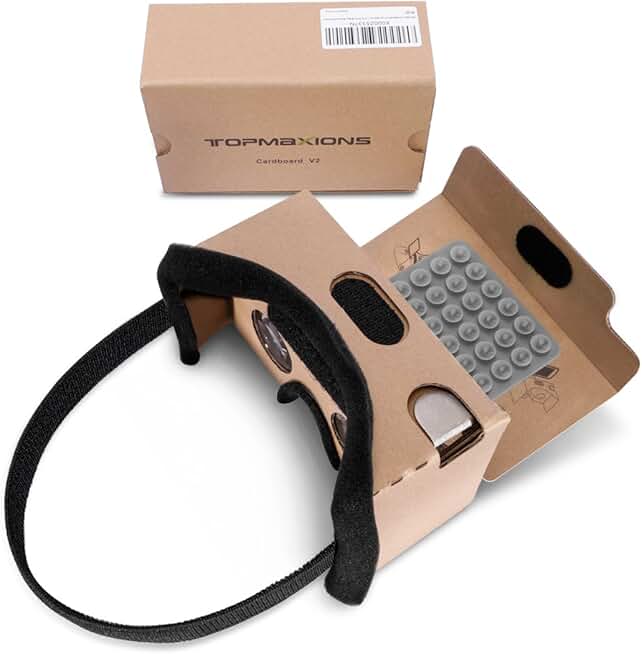
Headset Type: Standalone headsets (like Meta Quest) work without a PC or phone and offer better graphics and tracking. Phone-based headsets are cheaper but limited to your phone's processing power. Nintendo Switch VR options are niche but great if you own the console.
Resolution and Refresh Rate: Look for at least 1080p resolution per eye and 90Hz refresh rate for smooth gameplay. Higher refresh rates (120Hz) reduce motion sickness but cost more. Meta Quest 3S offers 1728 × 1728 per eye—solid for the price.
Field of View (FOV): 100° FOV is the baseline; 110° or higher feels more immersive. Phone-based headsets often max out at 110°, while standalone units can exceed 120°.
Comfort and Adjustability: Weight matters—lighter headsets reduce neck strain. Look for adjustable straps, IPD (interpupillary distance) adjustment, and padding. Kids' headsets should have anti-blue light lenses if they'll be used for extended sessions.
Controller Quality: Standalone headsets should include hand tracking or controllers with decent button layouts and haptic feedback. Phone-based options often include basic Bluetooth remotes.
App Ecosystem: Meta Quest has 500+ apps and games. Phone-based headsets rely on Google Play or Apple App Store, limiting selection. Check what games matter to you before buying.
Red Flags: Avoid headsets with fixed IPD (can't adjust for your eye distance), poor build quality, or no controller support. Single-star reviews mentioning durability issues suggest the product won't last.