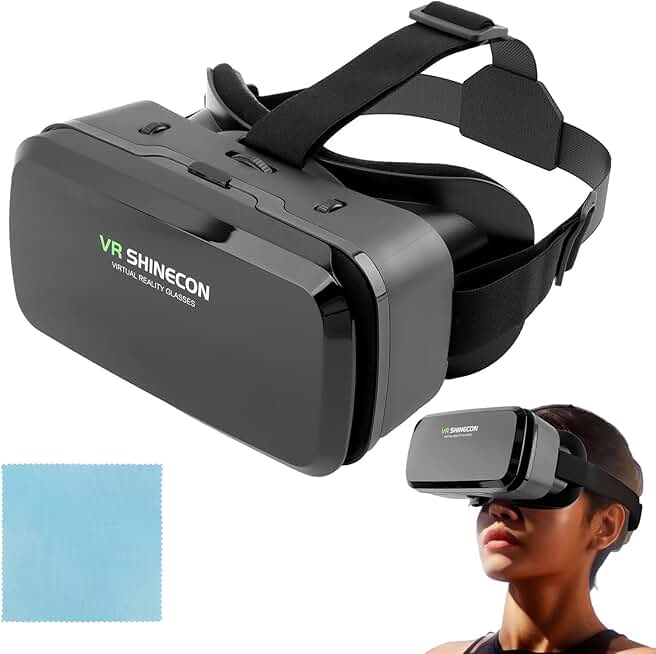
When choosing VR gear for Rainbow Six Siege, focus on three core factors: refresh rate, field of view (FOV), and tracking latency.
Refresh Rate & Latency: Siege is a competitive shooter where milliseconds matter. Standalone headsets like Meta Quest 3 and Quest 3S run at 90Hz, eliminating motion sickness and keeping your aim sharp. Phone-based VR headsets max out at 60Hz refresh rates tied to your phone's display, which can feel sluggish in fast-paced tactical moments. If you're serious about ranked play, standalone is non-negotiable.
Field of View: A wider FOV (100°+) helps you spot flankers and monitor multiple angles without turning your head as much. Most phone-based headsets claim 100-120° FOV, but actual usable FOV is often smaller due to lens distortion. Standalone headsets deliver more consistent, sharper peripheral vision.
Resolution & Clarity: Siege's UI elements—crosshairs, bomb timers, teammate callouts—need to be readable. The Meta Quest 3 offers 30% sharper resolution than Quest 2, making text crisp at distance. Budget phone headsets struggle with text clarity, especially if your phone's display isn't 1440p or higher.
Controller & Tracking: Standalone headsets include controllers with inside-out tracking (no external sensors needed). Phone-based options rely on your phone's gyroscope, which drifts over long sessions. For Siege, where you need reliable aiming and grenade throws, controller-based tracking is superior.
Red Flags: Avoid headsets with poor ventilation (your face heats up during intense matches), heavy weight (neck strain after 2+ hours), and cheap lens coatings (scratches ruin the experience). Phone-based headsets under $30 often use plastic lenses that distort edges.