Sports Games
Sports games translate the rules, physicality, and drama of real-world competition into interactive form — from the football simulation precision of Football Manager to the basketball fantasy of NBA 2K, the genre rewards players who love the sport being simulated. The category includes some of gaming's most commercially successful annual franchises alongside niche gems covering skateboarding, golf, table tennis, and sports that mainstream gaming largely ignores.
Most Popular Sports Games
The most reviewed and talked-about titles









New Sports Games
Released in the last 12 months





Highest Rated Sports Games of All Time
50+ reviews, sorted by score




Hidden Gems
High-quality games flying under the radar
Trending Sports Games
Popular titles from the last 3 years




Browse All Sports Games
500 games — sort, filter and discover
 100
100Rocket Riot
 99
99Grand Theft Auto V: Special Edition
 99
99Anstoss 3
 99
99Deluxe Ski Jump 2
 97
97Captain Tsubasa Vol. II: Super Striker
 96
96NHL 96
 96
96Beast Battle Simulator
 95
95iRacing
 95
95NFUT Cards
 95
95Championship Manager 4
 95
95Subpar Pool
 94
94Supermoves: World of Parkour
 93
93Sega Ages Virtua Racing
 92
92Virtual Pool 3
 92
92Ultimate Fighting Championship
 92
92Alley Catz Bowling
 92
92Deathrow
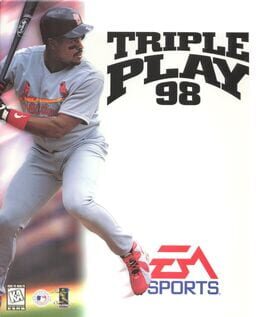 92
92Triple Play 98
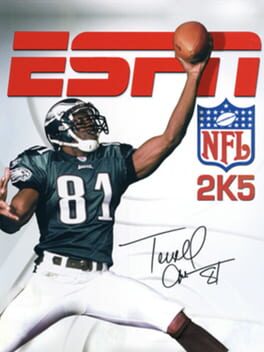 91
91ESPN NFL 2K5
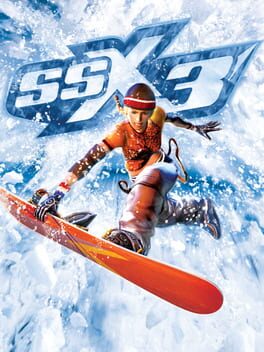 90
90SSX 3
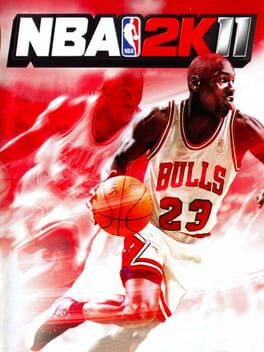 90
90NBA 2K11
 90
90NHL 09
 90
90Lethal League Blaze
 90
90MVP Baseball 2005
 90
90Championship Manager: Season 99/00
 90
90Tony Hawk's Pro Skater 4
 90
90Grand Prix Legends
 90
90NHLPA Hockey 93
 90
90Keith Van Eron's Pro Soccer
 90
90Captain Tsubasa
 90
90MVP Baseball 2004
 90
90Vroom
 90
90Saturday Morning RPG
 90
90Table Tennis Touch
 90
90Out of the Park Baseball 16
 90
90ACE Academy
 90
90Ski Safari
 90
90Offroad Outlaws
 90
90MLB 06: The Show
 90
90Wand Wars
 90
90Touchgrind Skate 2
 90
90CSR Racing 2
 90
90Golf Clash
 90
90Ice Rage
 90
90Ski Safari: Adventure Time
 90
90Wonderputt
 90
90Trial Xtreme 4
 90
90Extreme Car Driving Simulator
The Annual Release Problem
Most major sports games release annually — EA Sports FC, NBA 2K, WWE, PGA Tour — with updated rosters, minor gameplay tweaks, and incremental visual improvements. This creates an unusual consumer calculus: last year's entry plays almost identically to the current release but can be purchased for 10-20% of the new price once the next edition arrives.
For players who follow the sport closely, current rosters matter: a player who was transferred between clubs six months ago appearing in the wrong team is jarring enough to justify the new purchase. For players who primarily want the gameplay experience and don't follow transfers closely, the year-old version is almost always excellent value. Buying EA Sports FC 25 in 2026 at £5 delivers 95% of the experience of the current release at a fraction of the price.
EA Sports FC: The Football Simulation Duopoly
EA's split from FIFA branding in 2023 — transitioning from the FIFA series to EA Sports FC — didn't dramatically change the product, but it did clarify the brand relationship. EA Sports FC 25 introduced Football IQ improvements to AI movement and positional play, making the simulation more authentic at the price of requiring higher skill to exploit tactically.
The licence situation remains EA Sports FC's strongest competitive advantage: official Premier League, La Liga, Bundesliga, Serie A, Ligue 1, and Champions League licences, along with official team kits, stadiums, and player likenesses, deliver the full football fantasy that unlicensed competitors can't match regardless of gameplay quality. The tension between EA's business model — Ultimate Team's card-pack monetisation generates enormous revenue — and player desire for a straightforward simulation experience remains ongoing.
Football Manager: The Simulation Beyond Simulation
Football Manager occupies its own category. You never control a player directly; you manage the team's strategy, transfers, training, squad morale, press relations, and tactical setup across a season with up to 800,000 real players modelled with statistics that actual football clubs use for scouting. The data infrastructure behind Football Manager makes it a different kind of simulation than gameplay-focused sports games.
Sports Interactive's 2025 and 2026 editions have iterated on the series' core formula while improving the visual representation of matches. For football obsessives, no other game comes close to providing the depth of engagement. For everyone else, the barrier to entry is genuinely high — the game rewards domain knowledge of football tactics and transfer markets that casual players haven't accumulated.
NBA 2K: Quality Versus Business Model
The NBA 2K series produces some of the best basketball simulation available — the on-court gameplay in recent entries has been widely praised for its physicality and tactical depth. The business model around it has attracted sustained criticism: MyTeam's card-pack mechanics and MyCareer's aggressive monetisation create a premium-priced game that then solicits significant additional spending.
Playing through the modes that don't require spending — franchise management, the W (WNBA mode), local multiplayer — delivers a compelling basketball game. Players who engage with the monetised modes on the game's terms find a different experience.
eFootball and the No-Licence Question
Konami's shift from Pro Evolution Soccer to eFootball as a free-to-play model removed licences and traditional game structure in favour of an ongoing live service. The initial launch in 2021 was widely mocked for poor animations and missing content, and the game's user review score plunged to record lows. Subsequent development improved the product significantly, and eFootball 2024-2025 is considered a passable football game by most who've revisited it — but the launch impression has proven extremely difficult to overcome commercially.
The eFootball saga illustrates the specific challenge sports games face with live service transitions: the audience has strong genre expectations built on annual release traditions, and radical model changes face resistance that similar moves in other genres might not. EA Sports FC's decision to maintain the annual release structure while adding live service elements within that framework has been more commercially successful, if creatively conservative.
Golf, Racing, and Niche Sports
PGA Tour 2K25 has found an audience by emphasising the golf fantasy over strict simulation — accessible without specialist equipment knowledge while retaining enough depth for serious golfers. The community course creator has become a significant differentiator, producing tens of thousands of player-built courses that extend replayability far beyond the licensed track list.
Niche sports games often provide remarkable value for fans of underrepresented sports. Rocket League (football with rocket-powered cars, free-to-play since 2020) has built one of competitive gaming's most dedicated communities around its high-skill ceiling. Windjammers 2 revived the obscure disc-throwing sports genre to critical acclaim. These niche entries demonstrate that sports game design quality isn't correlated with the mainstream profile of the sport being simulated.
Browse our sports games collection on game-plays.com by rating — the critical consensus regularly breaks from sales rankings in this category, identifying simulation achievements that deserve attention and flagging expensive annual releases that fell short of expectations relative to their price point.