When shopping for gaming accessories for simulation games, focus on three core factors: compatibility, precision, and durability.
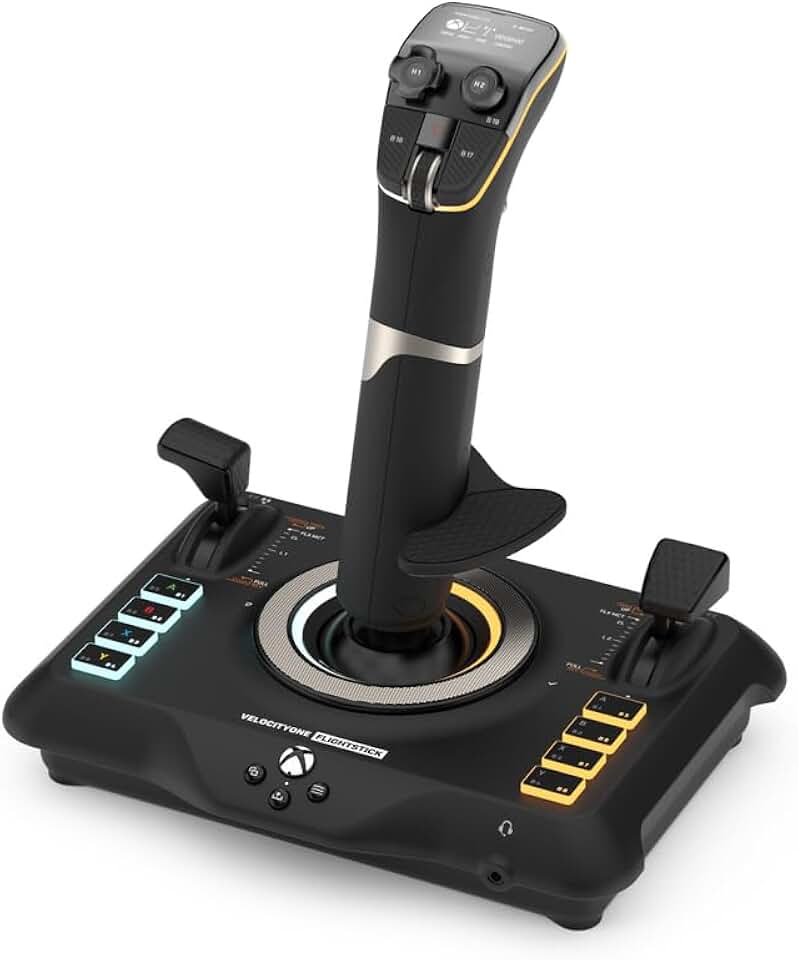
Compatibility matters first. Check whether your sim supports the accessory—flight sticks work with MSFS and DCS but not all racing games. Steering wheels need compatible mounting systems, and some controllers only work on specific platforms. Always verify USB connectivity, wireless support, and whether the accessory needs drivers or calibration software.
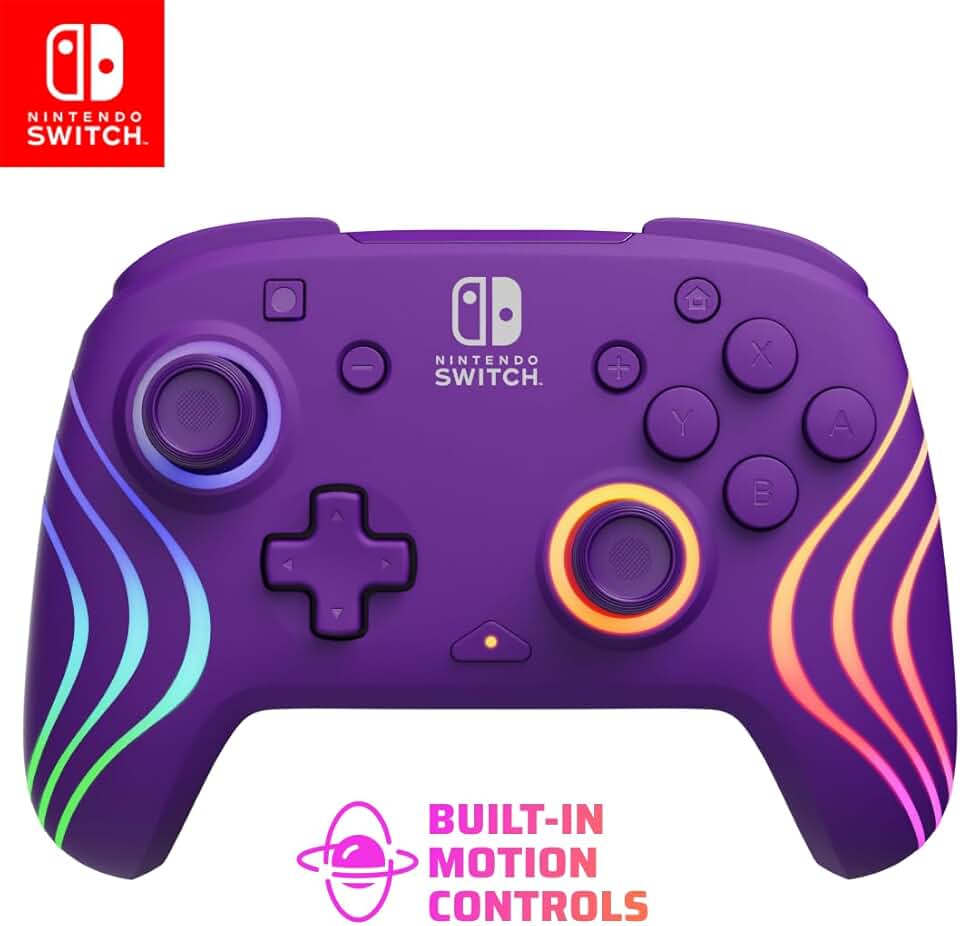
Precision specs separate good from great. For racing wheels, look at force feedback strength (measured in Newton-meters), rotation range (270°–900°), and polling rate. Flight sticks should have smooth potentiometers, adjustable sensitivity, and multiple axis assignments. Controllers need responsive analog sticks, low input lag, and programmable buttons for complex sims.
Build quality and ergonomics prevent fatigue. Simulation sessions can last hours. Look for padded grips, adjustable positioning, and sturdy construction that won't wobble under load. Heavy equipment bundles like farm sim packages need rock-solid stands; flight sticks benefit from twist-axis rudder controls and detachable components.
Budget tiers exist for good reason. Entry-level gaming accessories for simulation games ($20–$40) work for casual players but lack force feedback and advanced features. Mid-range options ($60–$130) deliver professional-grade controls with solid build quality. Premium setups ($200+) include multiple peripherals, advanced feedback systems, and professional-level precision.
Red flags to avoid: cheap plastic construction, lack of calibration software, poor reviews mentioning stick drift or dead zones, and no customer support. Avoid bundles that pair incompatible components, and be skeptical of "universal" claims—test compatibility before buying.