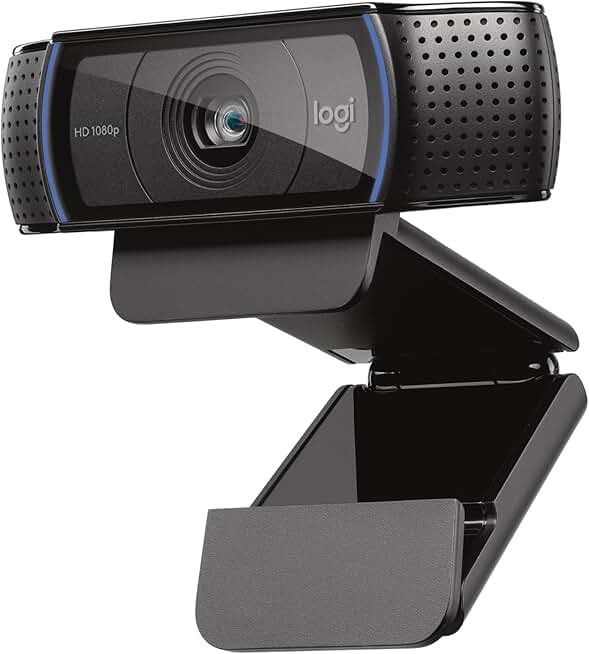
When shopping for Logitech gaming accessories, focus on these core factors:
Sensor and DPI: Gaming mice need at least 8,000 DPI for competitive play. Logitech's Hero sensors (25K DPI) track movement accurately without acceleration issues. Higher DPI helps in FPS games, but it's only useful if your mouse pad is large enough to take advantage of it.
Wireless vs. Wired: Logitech's Lightspeed wireless tech delivers sub-1ms latency—fast enough for esports. Wireless mice offer freedom of movement but require battery management (though many last 250+ hours). Wired mice eliminate charging but tether you to your desk.
Polling Rate and Response Time: Look for 1000Hz polling rate (1ms response) in competitive mice. This matters most in fast-paced shooters and fighting games. Casual gamers won't notice the difference between 1000Hz and 500Hz.
Ergonomics and Weight: Lightweight mice (under 100g) suit fast-twitch gaming; heavier mice provide stability. Logitech offers adjustable weights on some models, so you can dial in your preference. Hand size matters—smaller hands need smaller mice to avoid fatigue.
Programmable Buttons: More buttons mean more macros and keybinds. 11 programmable buttons let you customize extensively, but 6 buttons cover most needs. On-board memory saves profiles to the mouse itself, useful if you switch PCs.
Audio Quality: Gaming headsets need a clear mic (Blue VO!CE reduces background noise), strong bass for explosions, and comfort for 8+ hour sessions. DTS:X surround sound helps with directional audio in competitive games.
Build Quality: Stainless steel components last longer than plastic. Leather covers on steering wheels wear better than synthetic materials. Check reviews for durability complaints before committing.
Compatibility: Verify that racing wheels work with your console (PS5, Xbox Series X, etc.). Some older Logitech gear requires driver updates on PC.