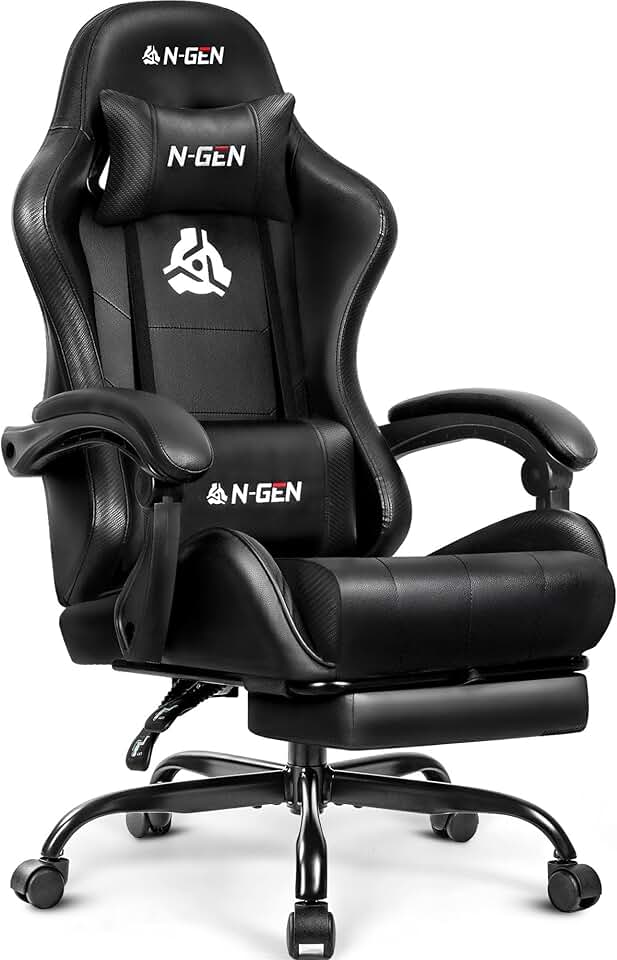
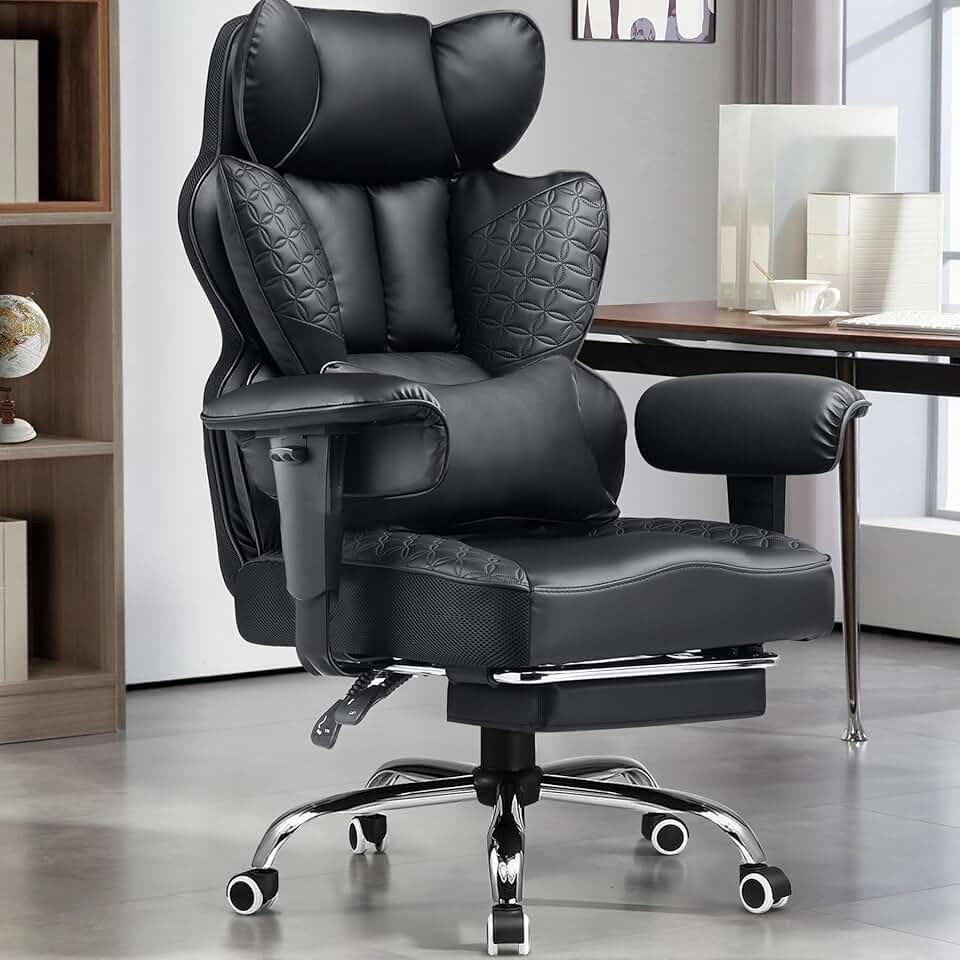
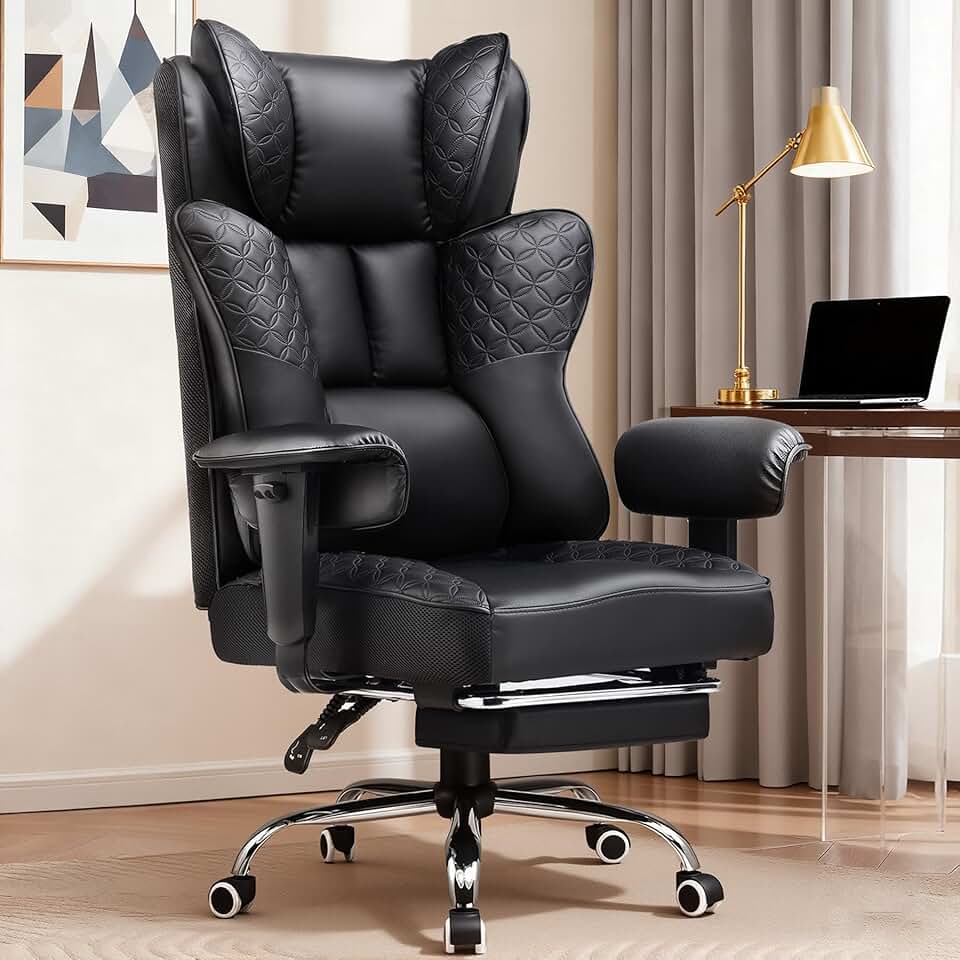
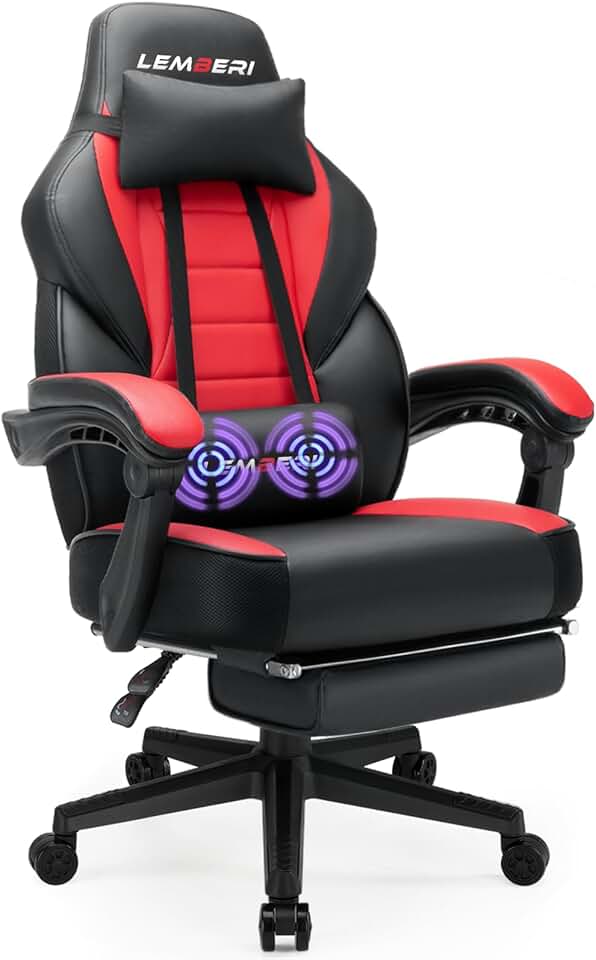
When shopping for gaming chairs for professional gamers, focus on these core features:
Lumbar Support & Ergonomics: Professional gamers need chairs with adjustable lumbar support that actually works. Look for pocket spring systems or memory foam lumbar pillows that conform to your lower back. Generic "ergonomic" labels mean nothing—check if the lumbar support is removable and adjustable to your spine's natural curve.
Seat Height & Adjustability: Your chair should adjust from roughly 17-21 inches off the ground, and the seat should tilt independently from the backrest. Pros need fine-tuned positioning to maintain proper desk and monitor alignment during long sessions. Tilt-lock mechanisms prevent unwanted recline during competitive play.
Weight Capacity & Frame Durability: Even if you weigh 150 pounds, buy a chair rated for 300+ pounds. Higher weight ratings indicate heavier-duty steel frames and better overall construction quality. Professional gamers need chairs that survive 2-3 years of daily use without creaking or collapsing.
Material Quality: Leather or high-grade PU leather outperforms mesh for durability and easy cleaning (sweat and energy drinks happen). Check seam stitching in reviews—cheap chairs split at the seams within months. Avoid chairs with thin padding that compresses flat after a few weeks.
Footrest & Recline Range: A built-in footrest reduces leg fatigue during marathon sessions. Look for 90-150° recline range if you want flexibility for breaks, but ensure the chair locks solid at 90° for competitive play.
Red Flags: Avoid chairs with non-adjustable armrests, fixed headrests, or weight capacities under 250 pounds. Skip brands with consistently negative reviews about wobbling, squeaking, or padding degradation. If reviews mention assembly problems or missing parts, move on.