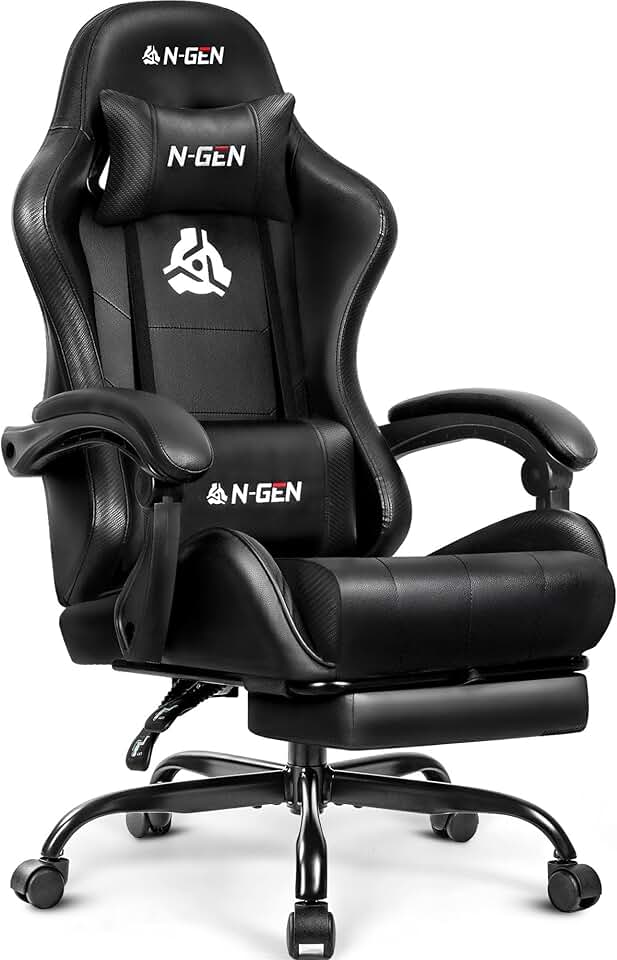
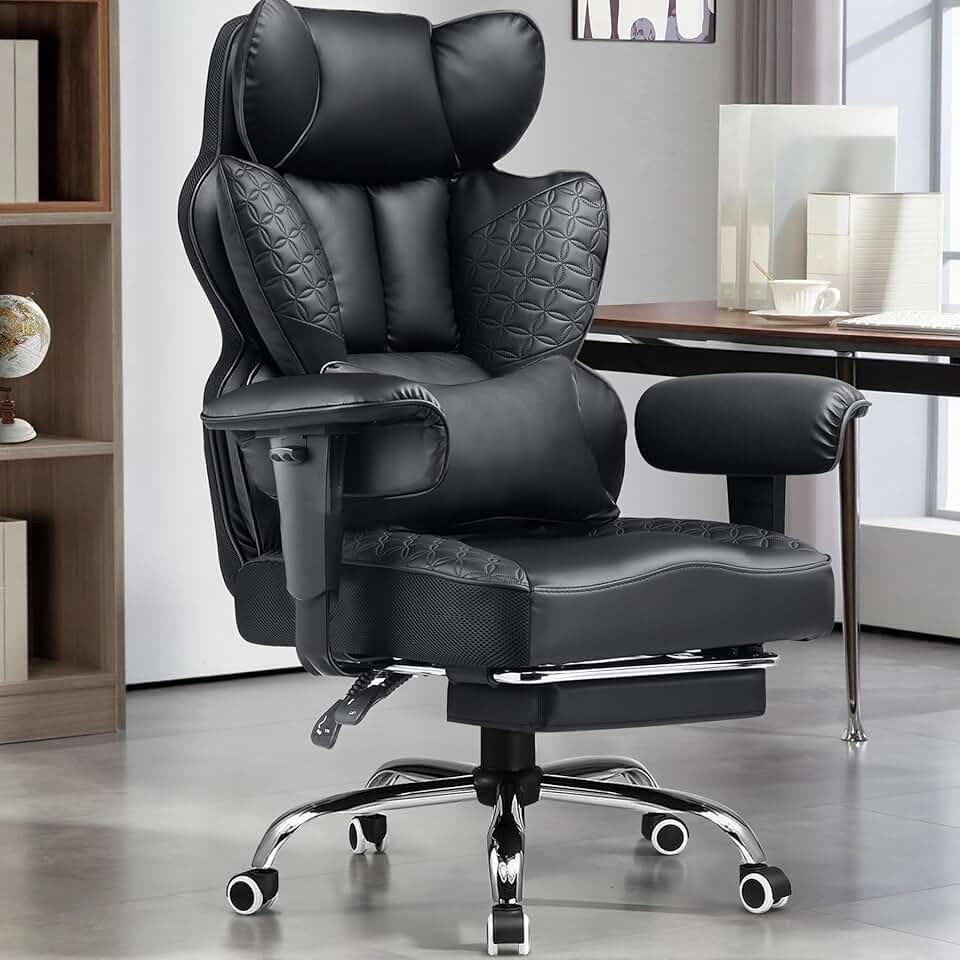
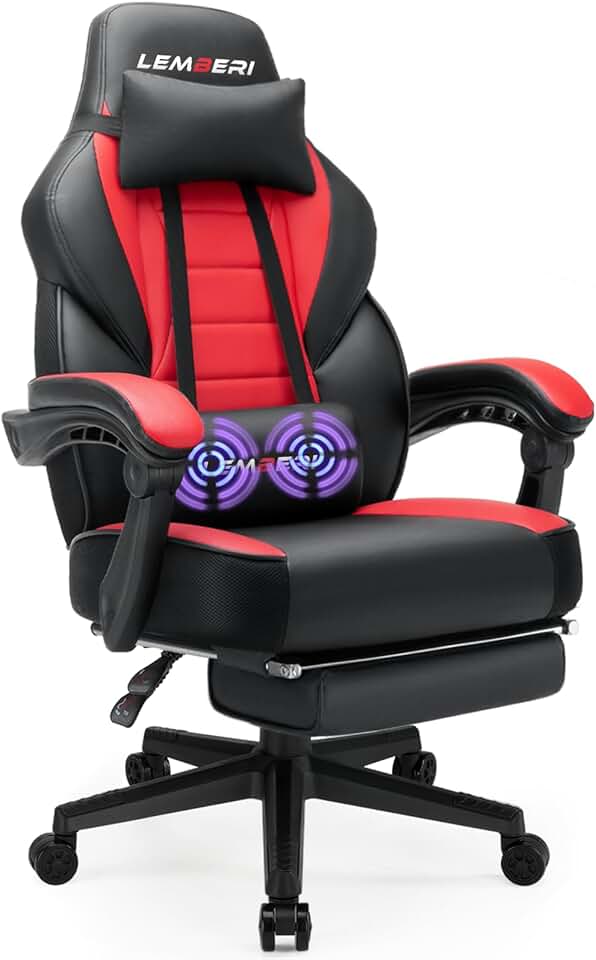
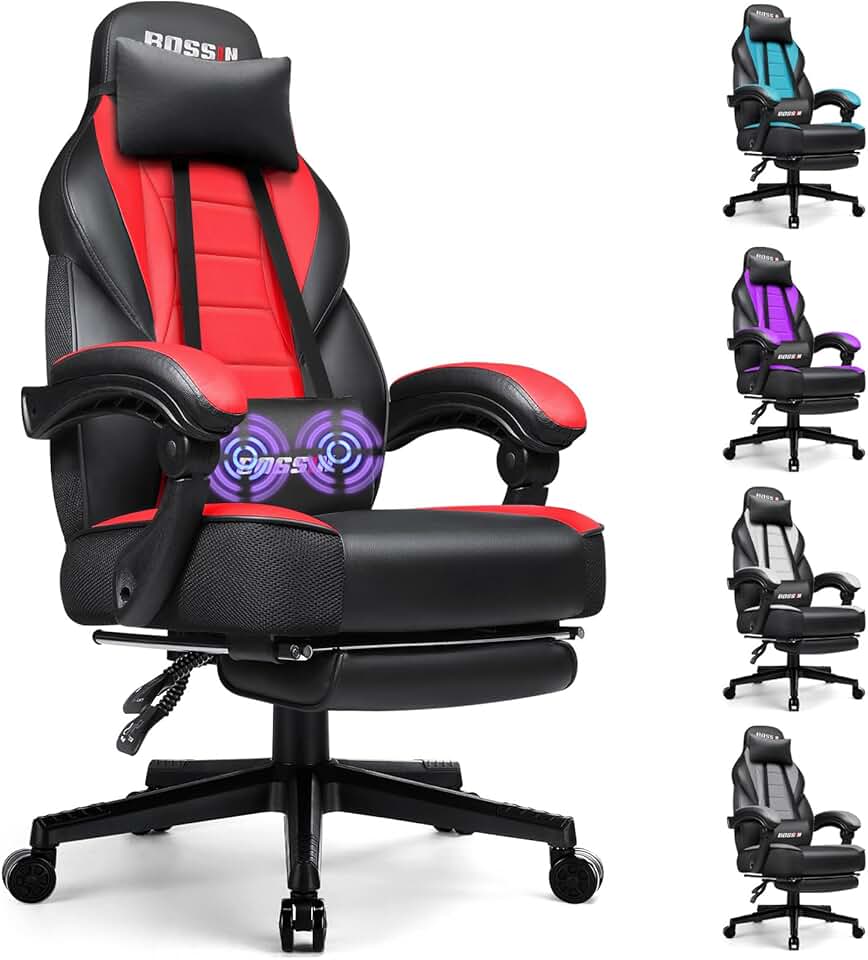
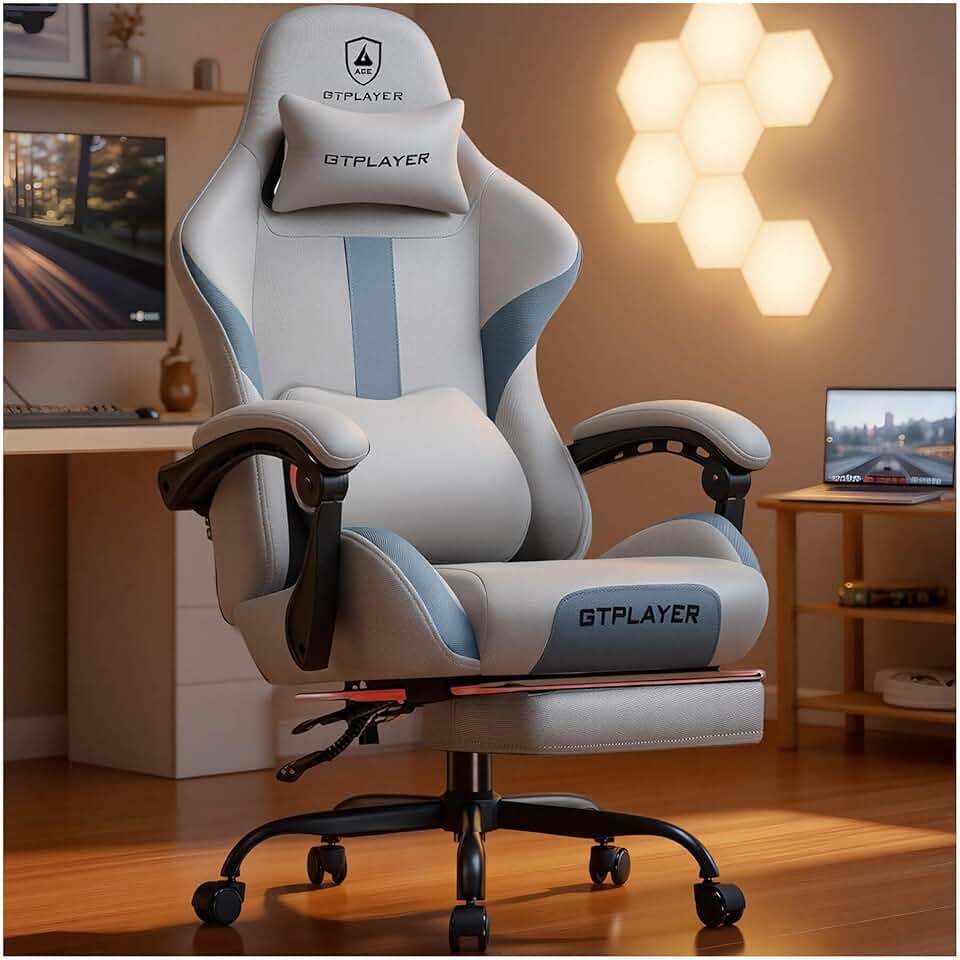
When shopping for a gaming chair for esports, focus on these core specs and features:
Lumbar Support: This is non-negotiable. Look for chairs with adjustable lumbar support or pocket spring cushions that conform to your lower back. Poor lumbar support leads to slouching, which tanks your posture and performance during long tournaments.
Seat Height and Adjustability: Your feet should rest flat on the floor with knees at 90 degrees. Chairs with pneumatic cylinders (Class 4 is standard) adjust smoothly and lock reliably. Avoid cheap hydraulics that drift downward mid-session.
Armrest Quality: Fixed armrests are fine, but adjustable or flip-up armrests give you flexibility for different desk heights and gaming styles. Some esports pros prefer no armrests for maximum mobility.
Material: PU leather is durable and easy to clean. Mesh breathes better during long sessions but shows wear faster. Fabric is softer but traps sweat and odors.
Weight Capacity: If you're over 200 pounds, verify the chair's rated capacity. Heavy-duty models (400+ lbs) use reinforced frames and thicker materials—they last longer under stress.
Recline and Tilt: A good tilt mechanism lets you lean back without feeling unstable. Some chairs offer 90–180-degree recline, which is nice for breaks but less critical for competitive play.
Red Flags: Avoid chairs with non-adjustable height, weak armrests, or vague lumbar support. Skip anything with reviews mentioning "sinks over time" or "creaky after a month." Budget chairs under $50 rarely last through a competitive season.
For esports specifically, prioritize stability and ergonomic support over flashy RGB or racing aesthetics. You're sitting for performance, not decoration.