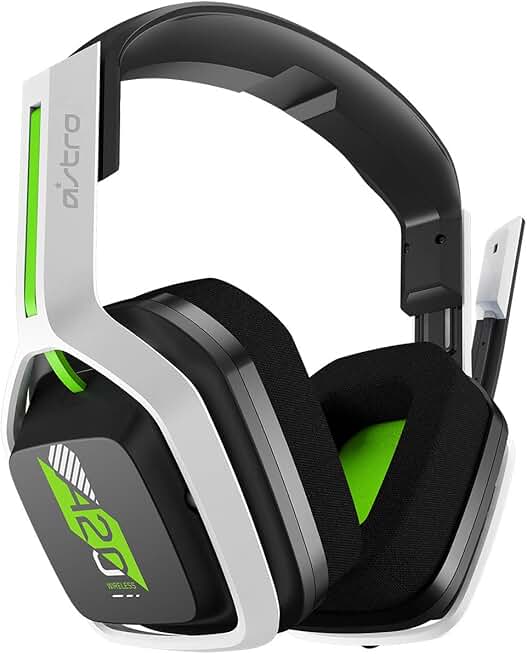
When shopping for the best Astro gaming headsets, focus on these core factors:
Wired vs. Wireless: Wired headsets eliminate latency concerns and never need charging, making them solid for competitive play. Wireless models offer freedom of movement but add complexity with battery management and potential interference. If you're stationary at a desk, wireless is convenient; if you move between rooms, wired keeps things simple.
Driver Size & Frequency Response: Astro's 32mm and 40mm drivers are industry standard. Larger drivers (40mm) generally deliver deeper bass and wider soundstage, useful for hearing footsteps and directional cues. Check the frequency response range—wider ranges (20Hz–20kHz) capture more detail.
Microphone Quality: Look for flip-to-mute designs and noise-canceling specs. A detachable boom mic is a bonus if you want to use the headset casually without the mic sticking out.
Platform Compatibility: Most Astro headsets work across PS5, Xbox Series X|S, and PC via 3.5mm jack or USB dongle. Some newer models include PLAYSYNC audio switching, letting you seamlessly jump between two devices. Check your specific console or PC before buying.
Comfort & Build: Gaming sessions stretch hours. Padded ear cups, adjustable headbands, and lightweight designs matter. Astro's materials are durable but can feel plasticky on cheaper models. Weight typically ranges from 200–350 grams.
Audio Profile: Astro tunes headsets for gaming—boosted mids and highs for voice clarity, punchy bass for explosions. If you also listen to music or watch movies, test the sound first; gaming-tuned profiles can sound thin on non-gaming content.
Budget Tiers: Entry-level wired models start at $25–$45. Mid-range wireless sits $150–$200. Premium multi-platform wireless hits $250–$400. Decide what features justify the jump in price for your use case.