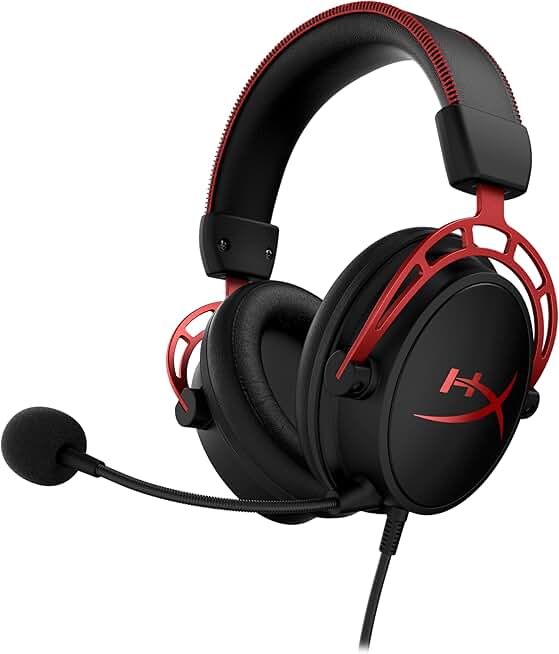
When shopping for a gaming headset for Apex Legends, prioritize these key specs:
Spatial Audio & Surround Sound: Look for 7.1 virtual surround or DTS Headphone:X technology. These create a wider soundstage, making it easier to pinpoint enemy positions—critical in Apex's fast-paced firefights. Stereo-only headsets work, but they sacrifice directional clarity.
Driver Size & Frequency Response: 50mm drivers are the sweet spot for competitive gaming. They deliver clean mids and highs where footsteps and gunfire live, without bloated bass that masks detail. A 20Hz–40kHz range covers everything you need.
Microphone Quality: A cardioid (directional) mic with noise isolation prevents your squad from hearing keyboard clicks and background noise. Detachable mics are convenient; built-in mics are fine if they're positioned well.
Comfort & Weight: You'll wear this for 3–8 hour sessions. Memory foam ear cushions and lightweight frames (under 300g) matter. Clamping force should be firm enough to stay put during movement, not so tight it causes fatigue.
Platform Compatibility: Apex runs on PC, PlayStation, and Xbox. Most modern headsets work across platforms via 3.5mm or USB, but some (like PlayStation-specific models) may have limited driver support on other systems. Check the product listing before buying.
Red Flags: Avoid headsets with excessive bass boost (muddies footsteps), cheap plastic frames (break easily), or mics that pick up every keystroke. Also skip models with proprietary wireless dongles that only work on one platform—you want flexibility.
Budget Tiers: Under $30 gets you solid stereo with basic comfort. $30–$80 adds 7.1 surround and better build quality. $80+ brings premium drivers, wireless options, and longer battery life. For Apex, you don't need to spend over $100—mid-range ($50–$80) offers the best value.