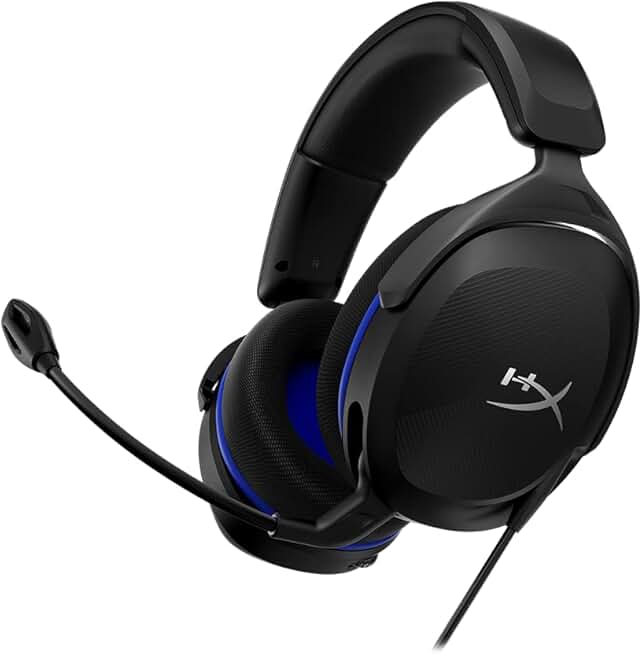
When shopping for budget gaming headsets, focus on a few core specs that actually matter. Driver size (measured in millimeters) affects sound quality—40mm to 50mm drivers are solid for gaming without overselling bass. Look for a microphone that either flips to mute or has a physical mute button; USB headsets with noise-cancelling mics tend to perform better than analog 3.5mm options, especially in noisy environments.
Connection type matters more than you'd think. Wired headsets eliminate latency and battery concerns, while 2.4GHz wireless offers lag-free gaming without the cable tether. Bluetooth is convenient but introduces slight delay that matters in competitive play. Check the impedance rating (measured in ohms)—lower impedance means your device doesn't need as much power to drive the headset, which matters for mobile and console gaming.
Comfort is non-negotiable because a $30 headset you can't wear for more than 30 minutes is a waste. Look for memory foam ear cups, adjustable headbands, and lightweight designs (under 300 grams). Surround sound labels like "7.1" or "DTS" sound impressive but often rely on software processing rather than true multi-driver setups—don't let marketing oversell you here.
Red flags: headsets with fixed, non-replaceable ear cups (they degrade fast), proprietary charging cables, or reviews mentioning mic quality issues. Avoid anything without a mute function; you'll regret it during team calls or when someone walks in. Finally, check the warranty—reputable brands offer at least 1-2 years of coverage on budget models.