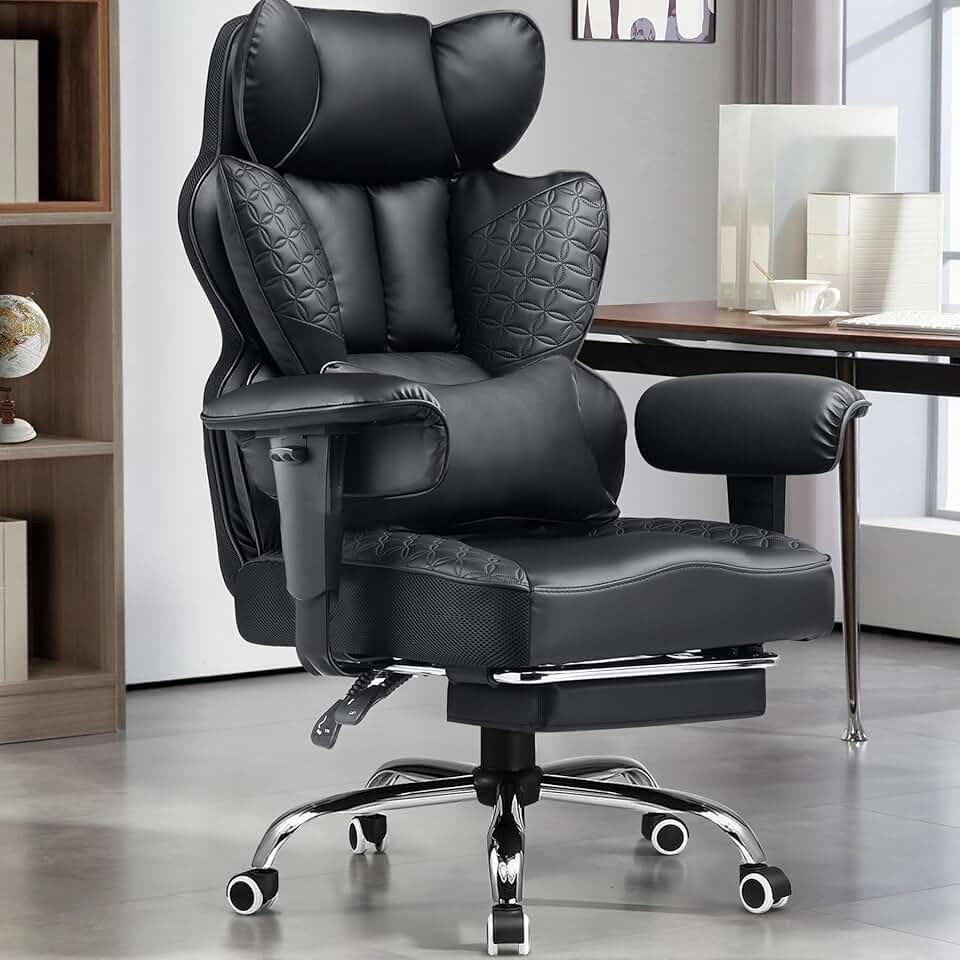
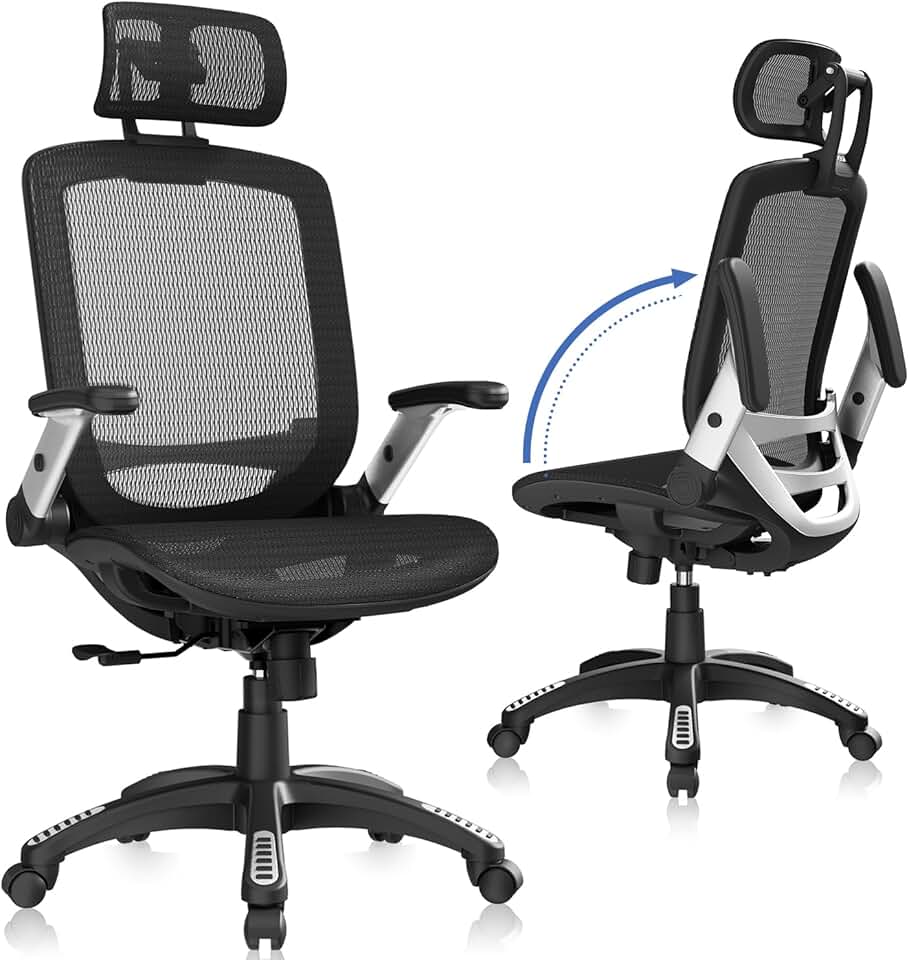
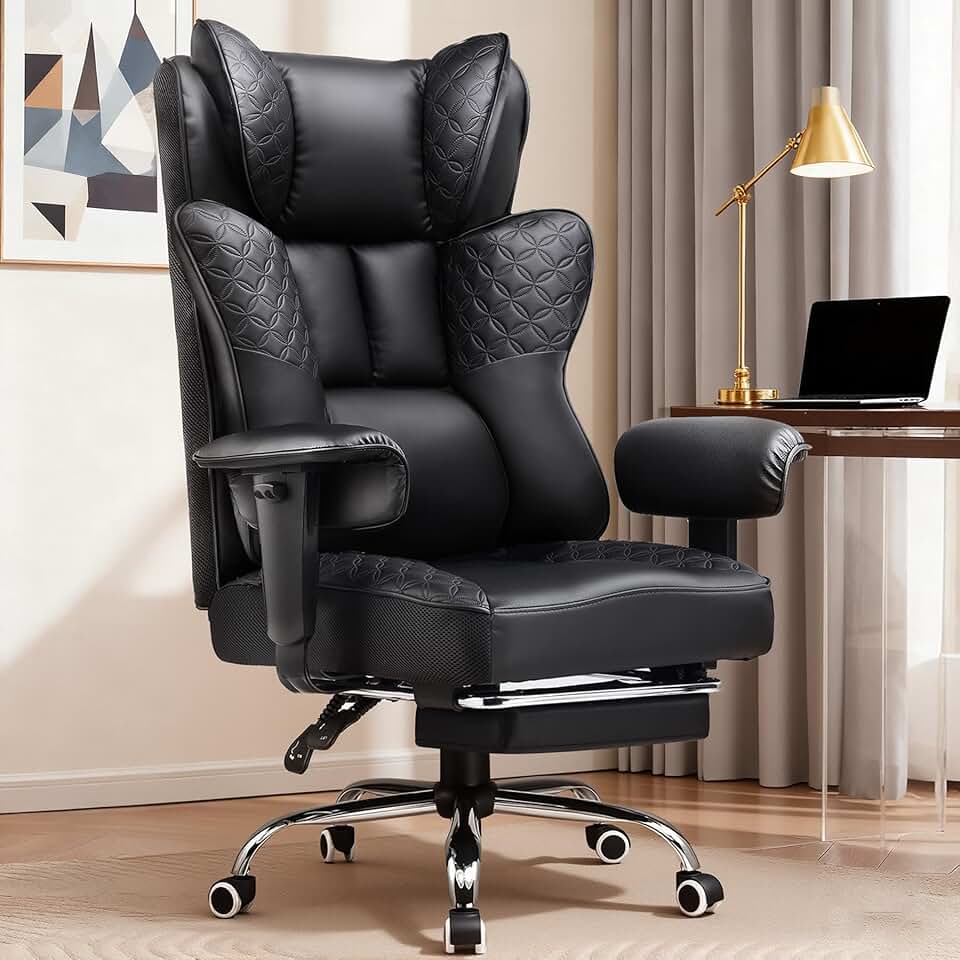
When shopping for gaming chairs for work from home, focus on these key factors to avoid buyer's remorse.
Lumbar Support Is Non-Negotiable. Look for chairs with adjustable lumbar support—not just a pillow you toss behind your back. The best gaming chairs have pocket spring systems, memory foam, or multi-position lumbar adjustment that supports the natural curve of your spine. This matters more than flashy aesthetics when you're working 8 hours straight.
Seat Cushioning and Material. High-density foam seats hold their shape longer than cheap padding. Mesh backs breathe better than solid leather, but leather is easier to clean. Consider your climate and how much you sweat during video calls. Some chairs use hybrid approaches: mesh back with padded seat cushion.
Weight Capacity and Frame Size. Gaming chairs typically support 250–400 lbs. If you're on the larger side, don't assume every chair fits; check the specs. Big and tall models have wider seats and higher backrests—they're not just marketing fluff.
Recline Range and Tilt Lock. A good gaming chair for work reclines 90–150 degrees. Tilt lock lets you lock the chair upright for focused work, then recline for breaks. This flexibility keeps you engaged during meetings and comfortable during downtime.
Adjustable Height and Armrests. Your feet should rest flat on the floor with knees at 90 degrees. Flip-up or 2D-adjustable armrests let you customize arm support; fixed armrests are a red flag. Height adjustment should be smooth and hold your weight without sinking.
Real-World Durability. Read reviews mentioning how the chair holds up after 6–12 months. Cheap wheels squeak, gas cylinders fail, and seams split. Brands with high review counts and consistent 4.3+ ratings tend to last longer.