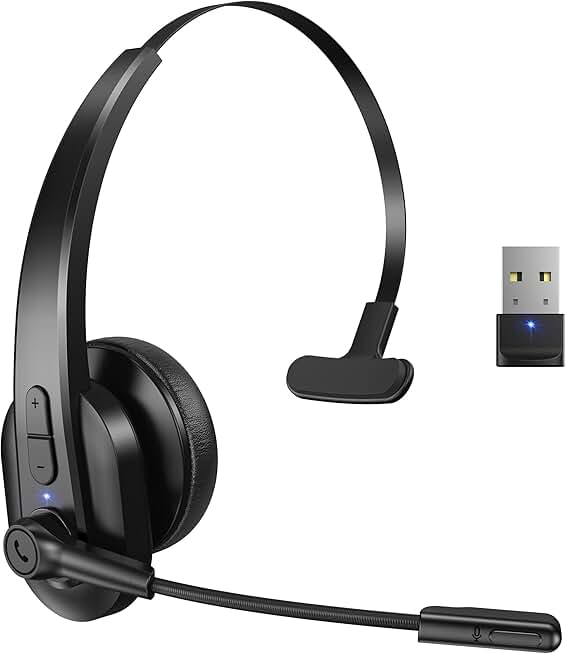
When shopping for gaming headsets designed for home office use, prioritize three key areas: microphone quality, comfort during extended wear, and connectivity flexibility.
Microphone clarity matters most. Look for headsets with noise-cancelling mics that isolate your voice and filter background noise—essential during video calls. A good mic should have a cardioid pickup pattern (captures sound in front, rejects side/rear noise) and ideally include a mute button for quick silencing during gaming sessions.
Comfort specs are non-negotiable for 8-hour workdays. Check for memory foam ear cushions, adjustable headbands, and lightweight designs under 250g. Padding quality directly affects whether you'll wear the headset all day or ditch it after 2 hours. Read reviews specifically mentioning long-term wear; a headset that feels fine for 30 minutes may cause ear fatigue by 5 PM.
Connectivity should match your setup. USB-wired headsets offer plug-and-play simplicity but limit mobility. Wireless (2.4GHz or Bluetooth) gives freedom to move around your office and take calls away from your desk. Some headsets support multiple connection types—check if that matters for your workflow.
Audio specs worth comparing: driver size (40mm-50mm is standard), frequency range (20Hz-20kHz covers most needs), and impedance. For gaming headsets, 7.1 surround sound helps with directional audio in competitive games, though stereo is fine if you're primarily using it for work.
Red flags: cheap plastic construction, non-replaceable ear pads, lack of inline controls, and single-platform compatibility. Avoid headsets with permanently attached cables if you value durability.
For home office specifically, prioritize mics and comfort over RGB lighting and extreme surround sound. You'll spend more time on calls than in competitive matches.